


Table of Contents
Living wall indoor vertical garden kit demand is booming as urban homes and offices seek better air, more biophilic design, and usable green space. Here’s the real guide: what works, what fails, and how to install a wall garden kit with fewer headaches—plus what most apartment and workplace buyers get wrong.
Key Takeaways
- Demand for indoor vertical garden kits is growing fast, especially in apartments, offices, and small urban homes.
- Most living wall kits face practical issues—plant loss, maintenance, and long-term reliability—despite smart tech.
- DIY modular kits can cut costs, but setup, light, and species selection are critical for lasting results.
What is a Living Wall Indoor Vertical Garden Kit (and Why Use One)?
A living wall indoor vertical garden kit enables you to grow plants on an interior wall—at home or in an office—using a modular or pre-built panel system. These kits combine frames, planters, smart irrigation, and sometimes lighting, to transform blank walls into functional, space-saving gardens. Unlike traditional planters, they maximize greenery in apartments, condos, or compact offices, where floor area is limited.
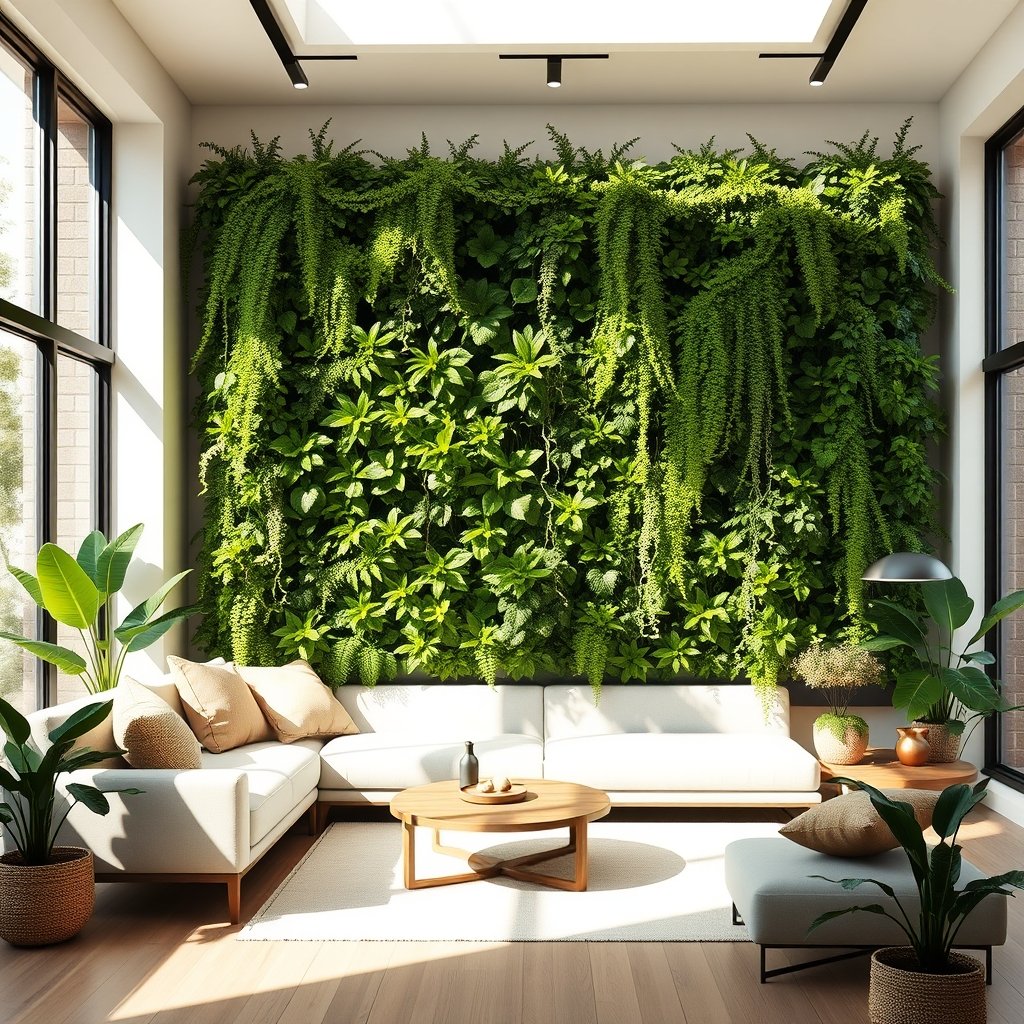
Their popularity is skyrocketing: the global indoor vertical gardens market was worth $5.5 billion in 2025 and is projected to reach $22 billion by 2033 (FutureDataStats), as homeowners, renters, and business owners pursue biophilic design, cleaner air, and space efficiency.
Unlike decorative moss walls, living plant walls offer air filtration, productivity boosts, and can support edible or ornamental plants for true indoor urban gardening.
For anyone redesigning urban space, living wall kits fit into larger design and efficiency upgrades—whether you’re tackling a garage conversion, planning a space-saving laundry center, or installing features like decorative fluted panels.
Step-by-Step Guide: How to Build and Maintain an Indoor Vertical Garden Wall
Ready to build your own living wall indoor vertical garden kit at home or in your workspace? Follow these practical steps tailored for renters, small apartments, and busy offices.
- Plan Location and Weight
Wall garden kits can be heavy, especially after watering. For apartments, check your wall’s weight limits and consider mounting on stud-supported surfaces. If you rent, opt for self-contained freestanding or shelf-style units to avoid permanent installation, much like the caution needed for installing DIY soundproofing panels. - Pick the Right Kit
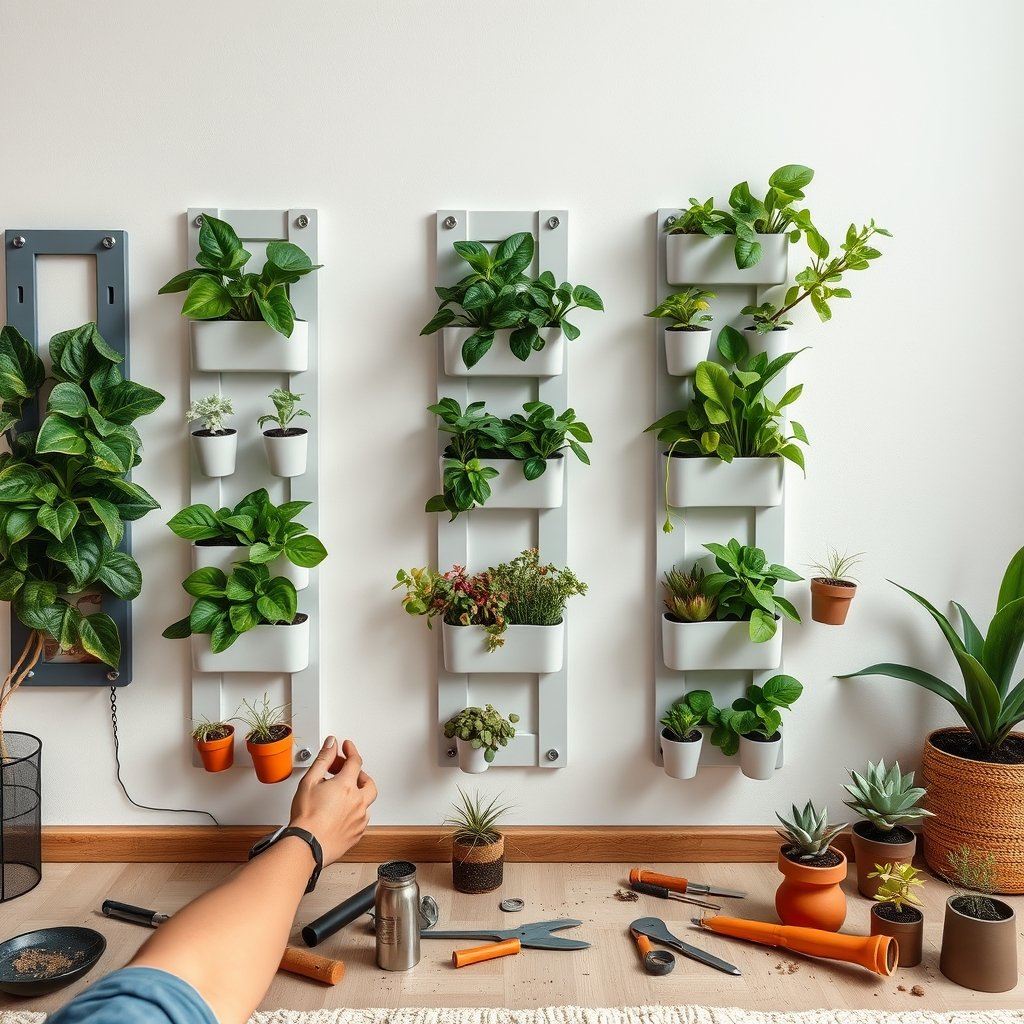
Most reputable indoor vertical garden kits include modular wall panels, planters, built-in self-watering (hydroponic) reservoirs, and sometimes LED grow lights. The latest hydroponic systems integrate app-controlled irrigation (even for small balcony or compact work nooks).- Look for kits made from recycled or fire-resistant material and with swappable tray inserts for easy replanting.
- Check for smart watering features—built-in sensors for moisture and nutrition allow more hands-off maintenance.
- Select Compatible Plants
Low-light houseplants such as pothos, philodendron, ferns, and peace lilies are safe bets. Where air purification is important, combine spider plants or Boston ferns for better effect. If you’re edible-inclined, choose compact lettuce varieties or microgreens, but ensure your kit supports hydroponic setups with easy nutrient monitoring. - Install the Kit
Follow the manufacturer’s wall-mount or freestanding assembly steps. Securely anchor all hardware—loose installation is the number one cause of future water leaks and plant die-off. - Prepare and Plant
Pre-soak your chosen plants or plugs to ease transplant shock. Fill tray or pouch systems as instructed. For hydroponic systems, calibrate sensors and test water flow for even distribution before the real planting.
- Plan Location and Weight
- Maintain Regularly
Even smart self-watering systems need checking. Weekly, inspect for yellowing leaves, water reservoir levels, and evidence of mold or root rot. Prune plants monthly to keep the wall lush and balanced. Top up nutrients every 6-8 weeks for hydroponic models. - Optimize for Longevity
Every 6-12 months, rotate plants, replace dying sections, and clear debris from irrigation and drainage channels. If you use grow lights, clean them monthly for best light output—just as you’d maintain an indoor air quality monitor or any smart appliance.
The entire installation and setup can take 2-4 hours for modular panels in a standard apartment or office. Maintenance drops to an hour a month with efficient irrigation, but more frequent check-ins are needed the first few months (or after plant swaps).
For tight workspaces, pair your living wall with convertible room ideas from home office guest room plans or integrate hidden power from built-in charging stations.
If budget and quick upgrades are priority, choose modular kits that allow you to expand over time or move with you—ideal for offices and short-term rentals. Just as with peel-and-stick kitchen backsplashes, these systems minimize long-term commitments and are easy to update or remove.
Advanced Analysis and Common Pitfalls: What Can Go Wrong?
While living wall indoor vertical garden kits offer unique benefits, their widespread adoption reveals critical pitfalls. Here’s what research and real-world users report:
- Lighting and Watering Challenges: Even with automated watering, poor light leads to plant die-off. Self-watering promises “low maintenance” but sensors can misread, leading to over- or under-watering. Many apartment walls get uneven or insufficient light, causing patchy, sparse growth.
- Installation Issues: Incorrect wall mounting, underestimating weight, or subpar hardware can cause kit failure. Water leaks from poorly sealed components are noted complaints, sometimes leading to wall or floor damage.
- Maintenance Complexity and Longevity: “Set and forget” is a myth—neglecting routine checks allows mold, pump clogs, or nutrient issues, shortening the garden’s effective lifespan to 2-3 years (often less if ignored). Professional servicing may be needed, raising costs.
- High Setup Costs: Smart systems with hydroponics and app controls cost more upfront than basic units. While modular DIY kits are affordable, there’s a learning curve and risk of wasted plants or wall repair costs if mistakes happen.
- Space and Modularity Limits: Not all kits suit small apartments or offices. Overly large systems can overwhelm, or breach lease agreements. Not all units are truly modular—some require permanent wall fixtures.
- Moss Wall Alternative Pitfalls: Moss walls are low cost and zero maintenance, but do not purify air or contribute to wellness in the same way live plant walls do.
| Aspect | Moss Wall Art | Living Plant Wall |
|---|---|---|
| Air Purification | None—purely decorative, no live process (source) | Effective—removes VOCs, improves stress and productivity (source) |
| Maintenance | Zero—no lights, water, or plant replacement needed (5-10+ years lifespan) | Moderate—self-watering helps, but monitoring essential (2-5 years unless maintained) |
| Aesthetic | Stable, artistic, and customizable. Used in lobbies/interiors. | Lush, dynamic, and biophilic. Stands out in living spaces/offices. |
| Long-Term Impact | Durable, no replacement cycles, eco if recycled panels. | Health benefits/sustainability only with ongoing care, possible for urban greening initiatives. |
Real-life user reviews also highlight narrowly covered problems: lack of plant survival data for low-humidity apartments, unclear instructions for renters, or no comparison of costs for owners versus short-term tenants. These issues echo what is rarely addressed in popular articles or even in-depth research reports (source).
Conclusion
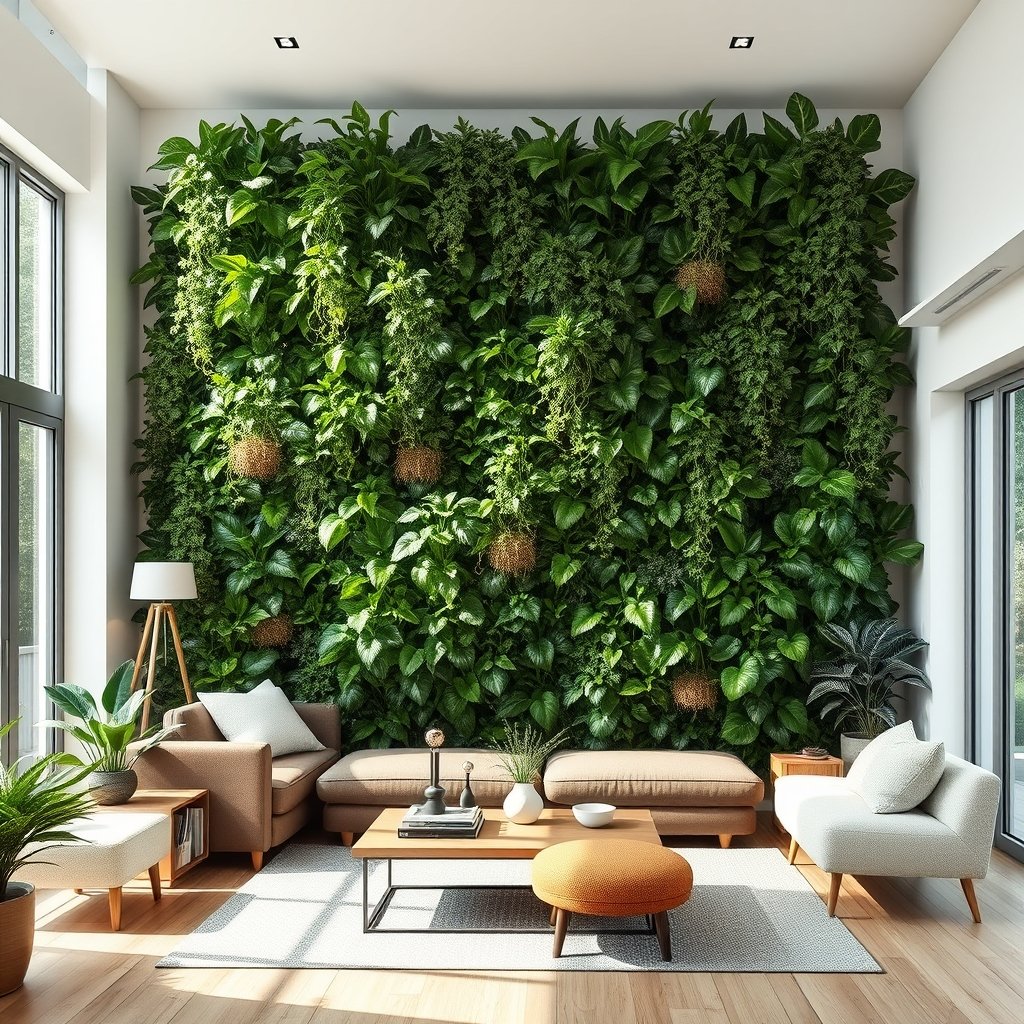
If you want to transform your space, a living wall indoor vertical garden kit is a practical, stylish upgrade. Demand is surging in cities because vertical gardens can improve air quality, boost well-being, and maximize small spaces. But these benefits only last with the right location, informed kit choice, and honest maintenance—especially for renters or anyone on a budget.
Choose smart, modular kits where you can expand or relocate, and make sure you’re prepared for the real work of plant care. Consider starting with a smaller section before expanding to a full wall. Be sure to review resources about affordable home upgrades or installing flush threshold transitions for even more home improvement inspiration.
Ready to get started? Find the right living wall indoor vertical garden kit for your apartment or office, use the steps above, and maximize your green ROI—your future self (and your houseplants) will thank you.
FAQ
Can you install a living wall indoor vertical garden kit in a rented apartment?
Yes. Look for freestanding or modular kits that do not require permanent wall mounting. Many self-contained systems are designed for renters and can be moved when you relocate. Always check with your landlord and review kit weight limits for your wall.
How much maintenance do self-watering vertical garden kits actually need?
Smart, self-watering systems reduce weekly plant care, but you still need to check water reservoirs, roots, and sensors monthly. Regular pruning and nutrient refills are important for longevity. Neglecting checks can result in plant die-off or system failures within 2-3 years.
Is a moss wall or preserved wall art a better choice than a living plant wall?
Moss wall art has zero maintenance and works well for decorative purposes, especially in lobbies or dark corners. Living walls require more care but provide genuine air cleaning and wellness benefits. For pure aesthetics with no ongoing effort, moss walls win; for health and air purification, living plant walls are best.
How much does a living wall kit cost for home or office?
DIY modular kits start under $150 for basic models, while smart, hydroponic panels for a small wall can range from $300-$1000 or more. Professionally installed systems can cost several thousand dollars depending on wall size and features. Maintenance over time (nutrients, replacements) adds modest ongoing costs. Subscription servicing is becoming available for offices.
Do indoor green walls really improve air quality and well-being?
Studies suggest living plant walls help reduce indoor pollutants and boost well-being, especially in workspaces. While not a replacement for air filters, they contribute to a more relaxing environment and can aid productivity through biophilic design. The precise air quality impact depends on total plant area, care, and plant species used.
—