


Table of Contents
Home Soundproofing Panels DIY projects are becoming one of the most practical ways to reduce noise at home without paying for expensive professional installation. Whether you want a quieter bedroom, a more productive home office, or better acoustics for gaming, recording, or content creation, Home Soundproofing Panels DIY solutions can make a noticeable difference.
Key Takeaways
- The acoustic panel market is rapidly growing, with new demand driven by remote work, content creation, and home comfort upgrades.
- DIY soundproofing panels are cost-effective and customizable, but require diligent planning and realistic expectations for true noise reduction.
- Choosing the right materials, understanding NRC ratings, and following professional installation tips will help avoid common pitfalls.
Understanding Home Soundproofing Panels DIY
Home soundproofing panels DIY are sound-absorbing structures you can build and install at home to reduce noise transmission. Most commonly, they are used for bedrooms and home offices to address disruptive airborne noise from neighbors, traffic, or other rooms. The goal is to improve comfort and privacy without the high cost or permanence of contractor-installed soundproofing.
The market for soundproofing panels is booming. In 2024, the global acoustic panel segment was valued at USD 12.8 billion, expected to soar thanks to demand from new home offices, gaming rooms, and content creators. Modern panels use materials like PET fiber, mineral wool, and recycled wood for effective sound absorption and sustainability. Growing numbers of homeowners are opting for DIY solutions, both to cut costs and ensure the result fits their room’s aesthetics.
There’s a big difference between sound absorption (dampening echoes and improving room acoustics) and sound blocking (actually keeping sound from passing through walls or doors). Most DIY panels focus on absorption, but if built with care and the right material, they can help reduce both airborne noise and, to a lesser degree, impact sounds.
For more in-depth market trends, including innovations in the acoustic panels industry, you can check out this Spherical Insights analysis and MarketsandMarkets research.
If you’re interested in eco-friendly approaches or are considering acoustic treatment for streaming setups, see our guide on how to choose green acoustic panels.
Step-by-Step DIY Soundproofing Guide
Building your own home soundproofing panels DIY is achievable with basic tools and materials found at most hardware stores. You’ll save money over premade panels and can adjust the size, texture, and color to your exact preferences.
- Estimate Coverage Area:
- Calculate square footage of each wall (length × height). Most experts suggest covering at least 15%–30% of the surface area facing noise sources for effective absorption.
- Select Materials:
- Core: Mineral wool, dense fiberglass, or eco-friendly PET fiber panels. Look for products rated NRC 0.75–1.00 (noise reduction coefficient).
- Frame: 1×4” pine or MDF boards work well for easy assembly and mounting.
- Cover Fabric: Breathable, acoustically transparent cloth — thick canvas, burlap, or specialty acoustic fabric.
- Accessories: Saw, screws, staple gun, glue, wall-mounting hardware.
- Build the Frames:
- Cut lumber to match panel size, usually 24″ x 48″ or 24″ x 36″ per panel. Assemble frames using corner braces or wood glue and screws for rigidity.
- Install Core Material:
- Cut insulation to fit snugly into each frame. Secure using adhesive or friction fit; aim for full coverage without large air gaps.
- Wrap with Fabric:
- Lay fabric on a flat surface, place the filled frame upside down, and pull fabric taut. Staple securely on the back. Trim excess material.
- Mount Panels:
- Install at “ear height” on the wall or as close to the main noise source as possible. Use picture hangers, French cleats, or Command Strips for rental-friendly installs.
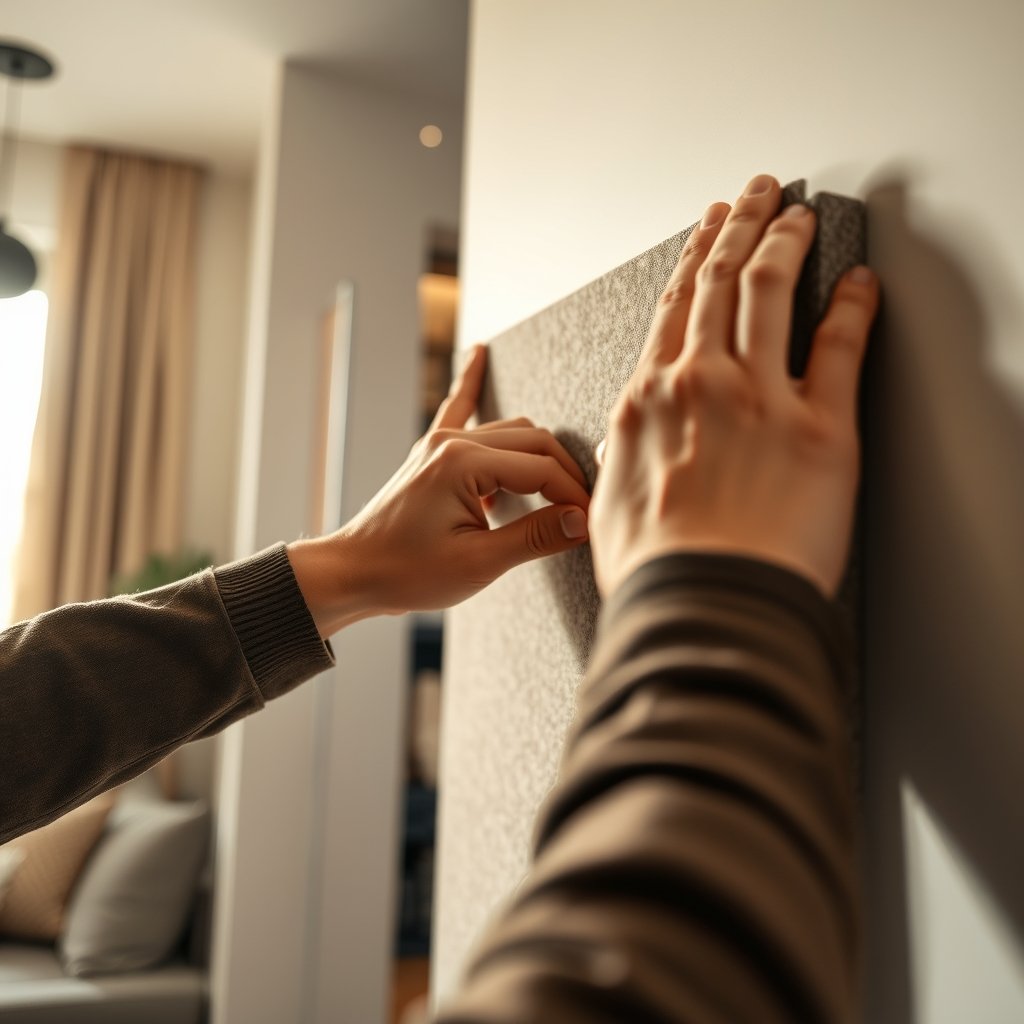
For step-by-step visuals, see our DIY acoustic panel photo guide.
You might also want to read about budget-friendly soundproofing hacks for renters and soundproofing a podcast studio at home.
Estimated Time: 1–2 hours per panel.
Typical Cost: $20–$50 per panel with premium mineral wool, or less with recycled/found materials. Compare to $60–$200+ for pre-made solutions.
Advanced Analysis & Common Pitfalls
Choosing a Home Soundproofing Panels DIY approach gives you full control over your setup, budget, and materials, but it also comes with a few downsides. Based on industry trends and user feedback, here are the most common benefits and mistakes to watch out for.
- Coverage and Placement: The most common mistake is using too few panels or putting them only in the center of the wall rather than at reflection points or close to noise sources.
- Material Choice: Not all insulation provides equal absorption. Classic foam panels are easy but less effective against lower frequencies and airborne noise compared to mineral wool or PET fiber.
- Improper Mounting: Gaps behind panels, poor frame assembly, or using the wrong mounting hardware reduces effectiveness.
- Expectations vs. Reality: DIY panels cut echo and high-pitch noise, but blocking heavy footfalls or street sounds often requires mass-loaded vinyl, double drywall, or professional help.
Here’s a quick comparison of popular DIY core materials:
| Material | NRC Range | Fire Resistance | Cost | Best For |
|---|---|---|---|---|
| Mineral Wool | 0.85–1.10 | High | $$ | All-around sound absorption |
| Fiberglass | 0.75–1.05 | Good | $ | Echo reduction, tight budgets |
| PET Fiber | 0.70–0.90 | Very High | $$$ | Eco-friendly installs |
| Classic Foam | 0.40–0.75 | Low | $ | Budget setups, temporary coverage |
Recent market data confirms that mineral wool and PET panels offer the highest performance and growth potential, especially for homes (Market Report).
Need details on fire safety or masking HVAC/air-con noise? See our articles: Fire-rated acoustic solutions and reducing duct and air handler noise at home.
Conclusion
With patience and practical know-how, home soundproofing panels DIY projects can transform the comfort, privacy, and productivity of any space. The most realistic approach is planning your coverage, choosing the right material, and following pro tips to get the best results for your situation.
If you’re ready to upgrade your living or working environment, dive into a home soundproofing panel DIY project today for a quieter, more enjoyable home. Have questions? Explore our in-depth resources and guides or contact our team for free advice.
FAQ
Are DIY soundproofing panels effective for loud neighbors or street noise?
DIY panels drastically reduce echo and moderate airborne noise but have limits against loud, low-frequency sounds or heavy impact noise. For extreme cases, pair panels with mass-loaded vinyl, double drywall, or window upgrades.
How do I calculate how many DIY acoustic panels I need?
Generally, start with coverage of 15%–30% of the wall area facing the main noise source. Use more for home studios or offices with little furniture. You can find calculators in our acoustic treatment calculator.
What makes mineral wool panels better than foam for DIY use?
Mineral wool panels have a higher NRC rating (up to 1.10), superior fire resistance, and better performance at absorbing low and mid-range frequencies — all critical for real home noise sources. Foam is cheaper but less effective for tough noise problems.
Can I make soundproofing panels without woodworking tools?
Yes — you can use pre-cut insulation boards and heavy-duty tape or fabric to wrap them securely. However, framed panels are more durable and look better in finished rooms.
Are there any health risks from DIY soundproofing materials?
Fiberglass and mineral wool can irritate skin and lungs during installation. Always wear gloves, a mask, and long sleeves. Once sealed inside fabric, panels are safe for daily use.
—