

Table of Contents
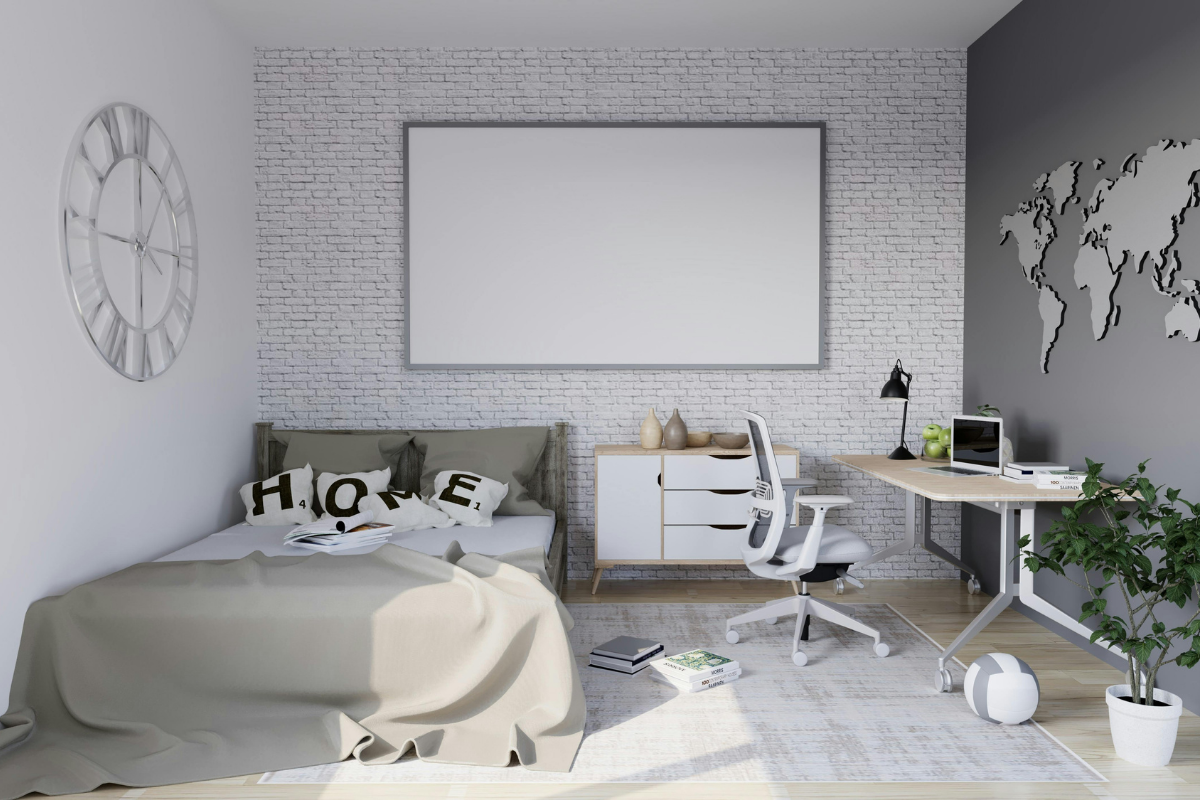
Multifunctional home office guest room setups are changing the way homeowners use their space, offering a smart solution for anyone needing both a productive workspace and a comfortable area for guests. With remote work continuing to rise and home sizes steadily shrinking, the need for rooms that can do double duty is more important than ever. This guide covers exactly how to design, plan, and set up an efficient multifunctional home office guest room, with realistic advice and pitfalls to avoid.
Key Takeaways
- The multifunctional home office guest room trend is growing fast, driven by remote work and smaller homes.
- Smart furniture like Murphy beds with desks and well-planned layouts make a big difference in usability and comfort.
- Common mistakes include poor storage solutions, inadequate lighting, and not planning for both work and guest needs.
The Core Concept: What and Why of Multifunctional Home Office Guest Rooms
The multifunctional home office guest room is a single space that serves both as a productive work area and a comfortable sleeping area for visitors. Instead of dedicating a spare bedroom that is rarely used, homeowners are redesigning these spaces to maximize everyday utility. With 77% of design experts ranking multifunctional rooms as the top home office trend in 2024, and 91% agreeing that workspaces are now more important than spare bedrooms, this is more than a passing fad. It’s a response to changing lifestyles, with average new home sizes in the U.S. dropping to 2,411 square feet and a whopping USD 15.5 billion home office furniture market thriving on creative, space-saving solutions.
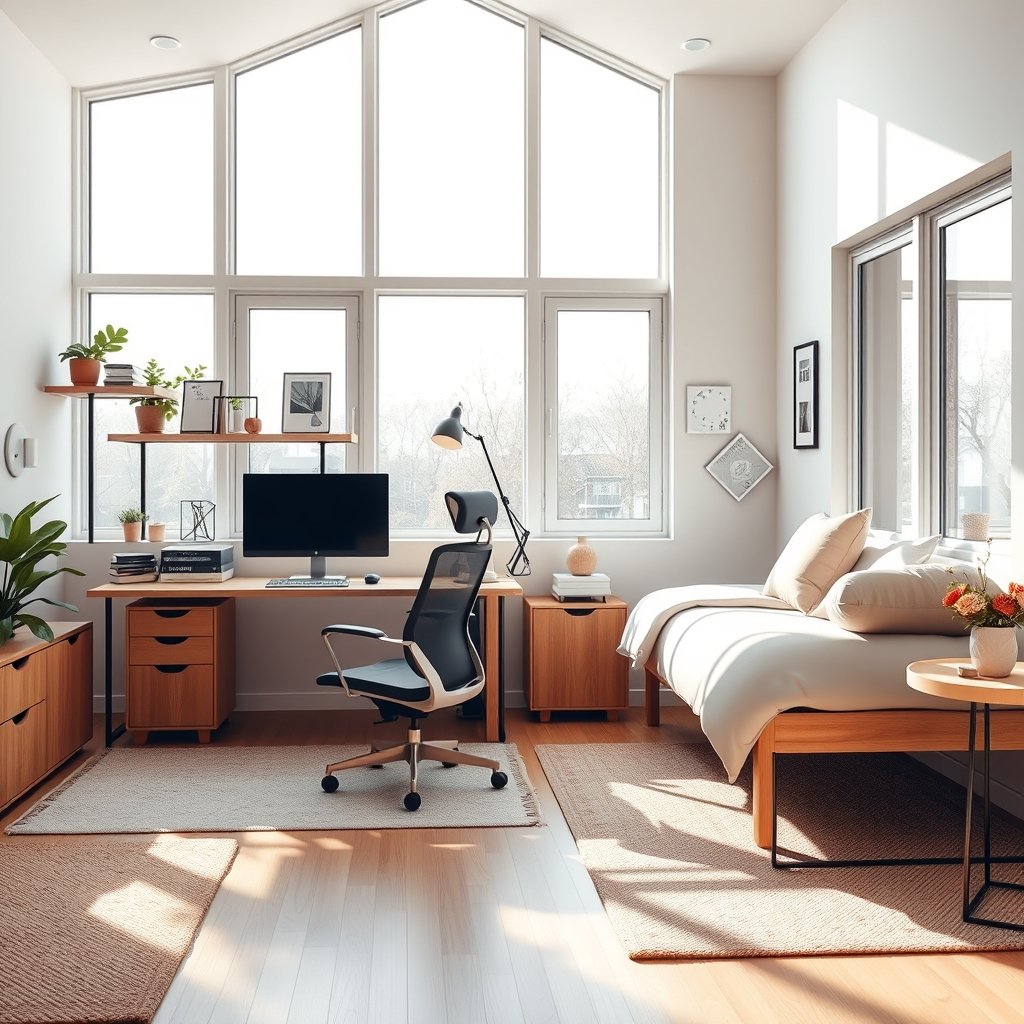
While guest rooms mostly sit unused, today’s homeowners want to reclaim that square footage, especially when “bonus rooms” and “flex rooms” are at a premium. With Murphy beds with desks, convertible sofas, wall-mounted desks, and clever organization, you can easily turn a basic room into a comfortable guest suite or a focused workstation—whenever you need it. This approach matches rising trends in the multifunctional furniture market, projected to grow at a CAGR of 6.6% through 2030.
Step-by-Step Guide: Creating Your Multifunctional Home Office Guest Room
- Start with an honest room assessment. Measure your space, outlets, windows, and note any awkward features. Decide which function (office or guest) will take priority on a daily basis—this will shape your major choices.
- Define your must-haves for both uses. For work, consider monitor size, chair comfort, and natural light. For guests, think sleeping arrangements, luggage space, privacy, and nightstand needs.
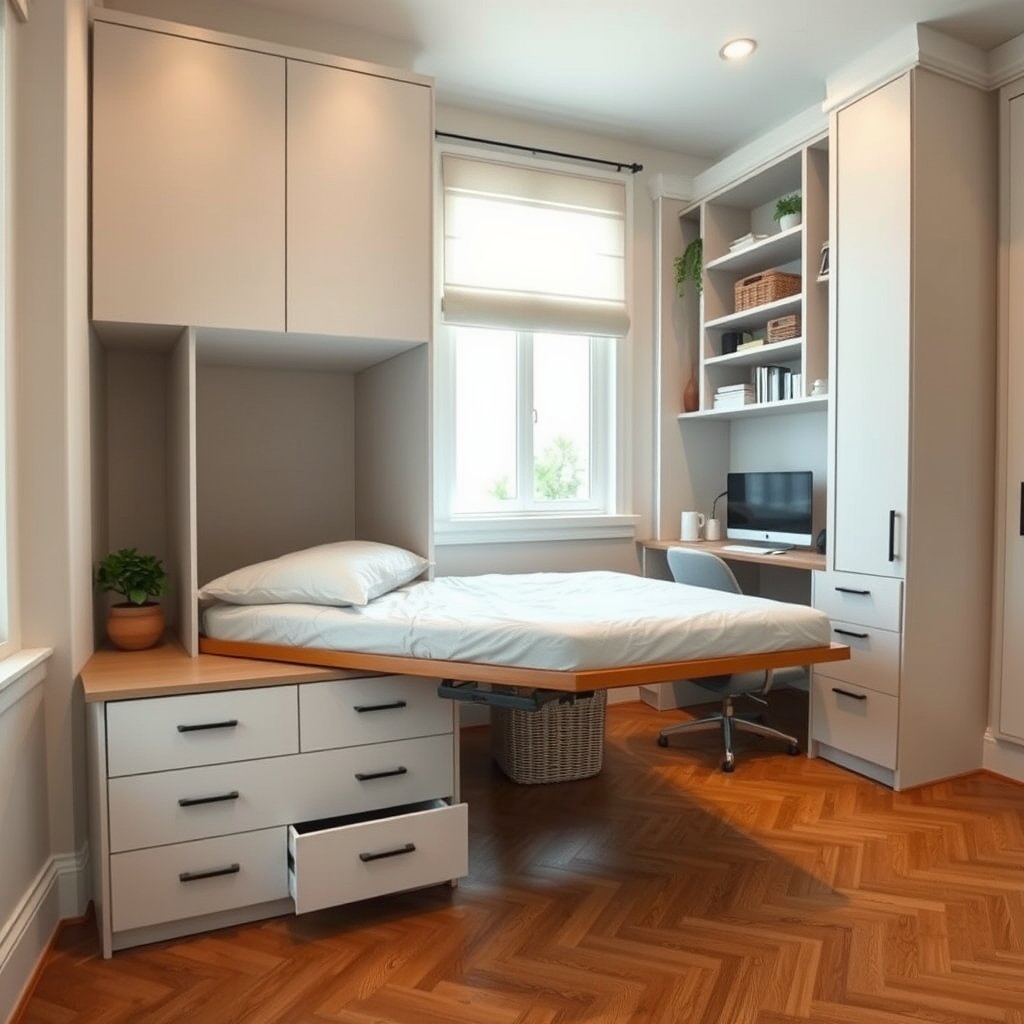
- Choose the right multifunctional furniture. Murphy beds with desks, daybeds with trundles, or convertible sofas offer options for almost any space. Folding and wall-mounted desks save even more room.
- Zone the room. Use rugs, lighting, or shelving to carve out “work” and “sleep” areas, even in a small room. Visual separation helps your brain switch modes and helps guests feel more comfortable.
- Maximize storage. Integrate shelves, cubbies, and under-bed bins. A hidden charging station, like those detailed here, prevents clutter whether you’re working or hosting.
- Address lighting. Task lighting for work and softer, adjustable lights for guests are both important. Consider smart bulbs or three-way lamps for flexibility.
- Add comfort touches. Keep bedding and toiletries in easy-reach storage for guests. For work, include ergonomic perks like footrests or a stand for your laptop.
- Test transitions. Go through the process of converting the room from office to guest mode and back. Make sure it only takes a few minutes and doesn’t require moving heavy furniture or unplugging a lot of cables.
- Bonus: Soundproofing the space using DIY acoustic panels keeps your video meetings private and lets guests sleep better, especially if your room backs up to a busy area.
- Keep it clean: For pet owners or if your guest room sees foot traffic, a lightweight carpet cleaner such as the Hoover PowerDash Pet can make switching modes between office and guest much easier and more hygienic.
- Rethink the closet: Use modular closet systems or garment racks, since guests rarely need a full closet and you can use the extra space for office supplies or seasonal storage.
Advanced Analysis & Common Pitfalls
Even with all the benefits, creating a multifunctional home office guest room isn’t “set and forget.” Below is a realistic look at what owners run into—and honest ways to handle it.
- Transition Frustrations: Murphy beds and fold-down desks are fantastic, but if they require moving multiple items every time, the novelty wears off. Often, people underestimate the need for clear “parking spaces” for work supplies so that transitions are quick.
- Lack of Dedicated Storage: Without built-in shelves or versatile dressers, both office and guest functions suffer. Guests need a nightstand, a lamp, and somewhere to put a suitcase. Offices need files and supply space not shoved into a closet.
- Lighting Oversights: Task lighting may be sufficient for work, but ambient light can be gloomy for guests. The lack of adjustable lighting is one of the most frequent complaints in dual-purpose spaces.
- Noise Disruption: If your office is in a high traffic part of the house, overnight guests might not be able to sleep well—or you may find work impossible when the room is in sleep mode. Soundproofing, strategic door selection, and smart scheduling all make a bigger difference than you might expect. Get step-by-step noise reduction tips here.
- Compromised Size: Small rooms are most often chosen for multifunction setups, but can feel cramped. According to industry analysis, homeowners often regret choosing a bed or desk too large for the space, leading to cramped layouts or blockages.
| Feature | Dedicated Home Office | Dedicated Guest Room | Multifunctional Home Office Guest Room |
|---|---|---|---|
| Everyday Productivity | High | Low | Moderate (if transitions are seamless) |
| Guest Comfort | Low | High | Moderate (dependent on bedding & space) |
| Space Utilization | Single Use | Single Use | Maximized |
| Setup Complexity | Low | Low | Moderate to High |
| Cost to Furnish | Standard | Standard | Often Higher (Murphy beds/desks, storage) |
| Common Problems | Underused after hours | Unused most of the year | Transition hassle, storage, lighting |
While there are no published numbers for average built-in Murphy bed costs in 2024, it’s common for basic wall beds with integrated desks to range from $2,000 to $4,000 installed. Custom setups or those with significant cabinetry, shelving, and higher weight capacities may cost more. Since space and weight requirements are product-specific, always double-check specs before purchasing—and account for headroom, desk height, and clearance for folding mechanisms.
If you need additional living or rental space, consider a larger scale project such as an ADU garage conversion. This adds both value and livability, but comes with its own design challenges and local code requirements.
Conclusion
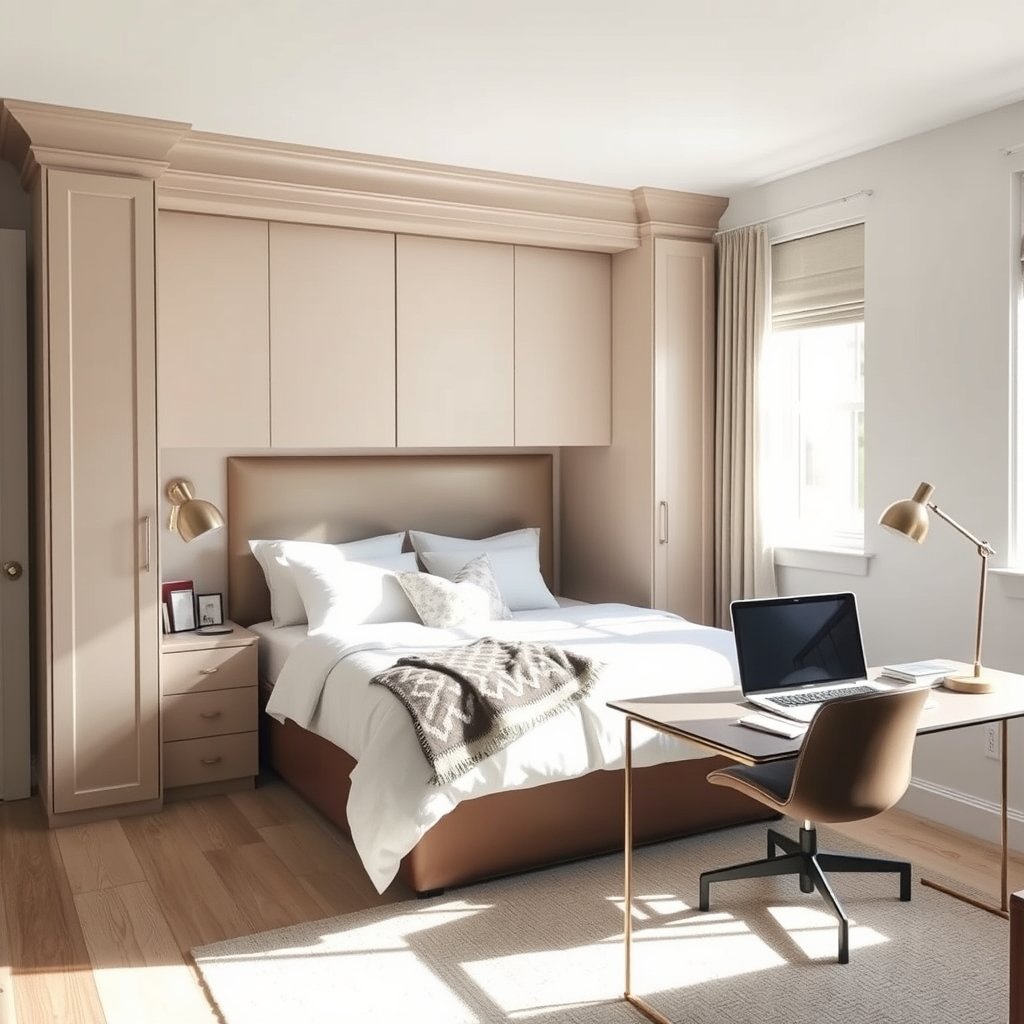
Designing a multifunctional home office guest room means making your square footage work overtime. It’s a practical response to today’s housing trends, real estate prices, and the ongoing expectation that people work from home at least part time. By focusing on quality multi-use furniture, smart storage, and realistic layout planning, you can balance productivity with guest comfort. Not every room or household is the perfect fit, but for many, a multifunctional home office guest room is a flexible, future-ready choice. Ready to get started? Use the tips above to design your own—and make every square foot count.
FAQ
What is the biggest advantage of a multifunctional home office guest room?
The main advantage is efficient use of space. You get a work area you’ll use daily plus a comfortable place for guests when needed, all in a single room.
How much does a Murphy bed with desk combo cost on average?
While 2024 data is limited, expect to spend between $2,000 and $4,000 for a quality built-in Murphy bed with desk, including installation. Added shelving or cabinetry can increase the price.
Are there any downsides to combining a home office and guest room?
Yes, transitions can be time-consuming if not designed well, and each function may feel like a compromise. Storage and lighting are especially common pain points to plan for.
What alternatives exist for very small rooms?
Look for wall-mounted fold-down desks, daybeds, or compact sofa beds. Using AI design apps can help you find an efficient arrangement without overfilling the space.
How do I keep the space comfortable for both work and guests?
Prioritize ergonomic office furniture, soft bedding, adequate lighting, and incorporate accessible charging solutions. Store extra pillows, linens, and guest supplies in labeled bins or shelves.