


Table of Contents
Hidden charging station built-in designs let you power up your devices without sacrificing home aesthetics or adding visible cable clutter. These smart charging solutions are designed to keep your space looking clean, modern, and organized while making it easier to charge phones, tablets, smartwatches, and other everyday electronics.
Integrating a hidden charging station built-in directly into furniture or behind walls is trending for a reason, but realistic guidance, real-world costs, and practical installation tips are often hard to find. This guide covers exactly what you need to know before choosing a hidden charging station built-in solution for your home, office, or workspace.
Key Takeaways
- Hidden charging station built-in solutions enhance convenience and aesthetics but require careful planning for safety and usability.
- Clear industry cost and safety benchmarks are lacking—DIYers and homeowners must pay extra attention to certifications and installation steps.
- Most competitor guides skip key sub-topics like residential wireless adoption rates, realistic DIY pitfalls, and power/safety specs for home integrations.
The Core Concept: What Makes a Hidden Charging Station Built-In Compelling?
Built-in charging stations hide outlets, USB ports, and wireless pads within furniture or walls, merging technology and interior design. Unlike visible strips, cables, or standalone chargers, these solutions put functionality exactly where you use devices—drawers, kitchen counters, bedside tables, or even shelves. Most people love these upgrades for cable management, reducing “charging wars,” and keeping device corners clutter-free.
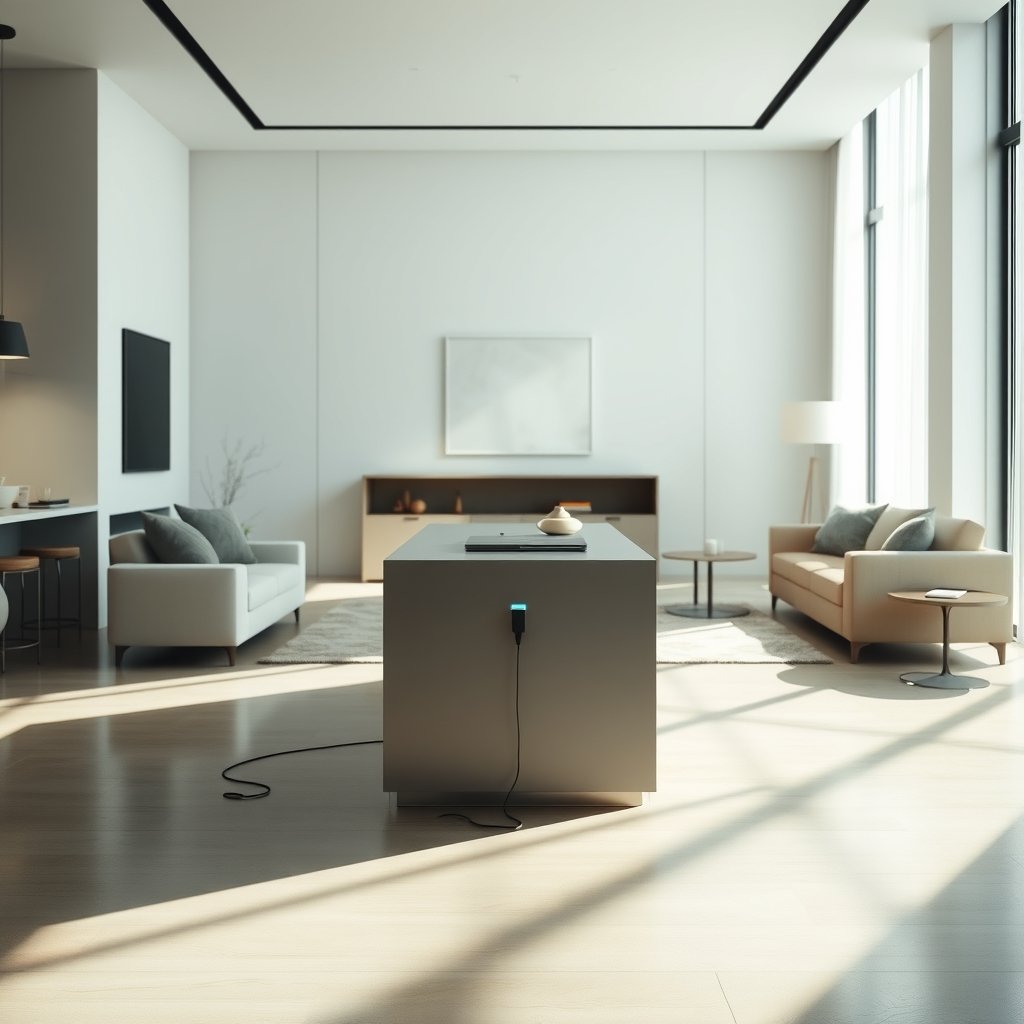
However, the current market for hidden charging station built-in solutions is fragmented. Available research in 2024 focuses almost entirely on EV charging infrastructure rather than home or office furniture integrations. That means consumers and DIYers face a less standardized landscape—brands, specs, and installation methods vary, few benchmarks exist, and realistic industry adoption rates are still unknown.
Despite these gaps, homeowner interest in built-in charging and wireless power surfaces is rising fast. With increasing device counts per household and a demand for minimalist interiors, the next wave of home upgrades is likely to focus on power being “everywhere, but seen nowhere.”
Step-by-Step Guide: Planning and Installing Your Built-In Charging Station
If you want to add a hidden charging station built-in to your home office, nightstand, kitchen, or living area, here’s how to approach it for maximum convenience and safety. Whether you’re eyeing an in-wall units USB outlet, a drawer with integrated charging, or a wireless countertop pad, these steps apply.
- Choose Location and Style:
- Nightstand drawers, kitchen islands, or conference tables are popular for both USB and wireless builds.
- Always assess your primary device charging behavior before settling on the spot.
- Source Safe, Certified Parts:
- Look for outlets or charging pads with UL or ETL listing. Avoid cheap imports with no listed certifications—hidden installations can overheat if under-engineered.
- For wireless insets or USB countertop outlets, verify the output power matches your device needs (at least 10–15W for fast phone charging).
- Plan the Power Route:
- Avoid running cords through unventilated spaces unless rated for in-wall use.
- For permanent power, install a dedicated electrical box if you’re comfortable (otherwise, hire a licensed electrician).
- Integrate with Minimal Mess:
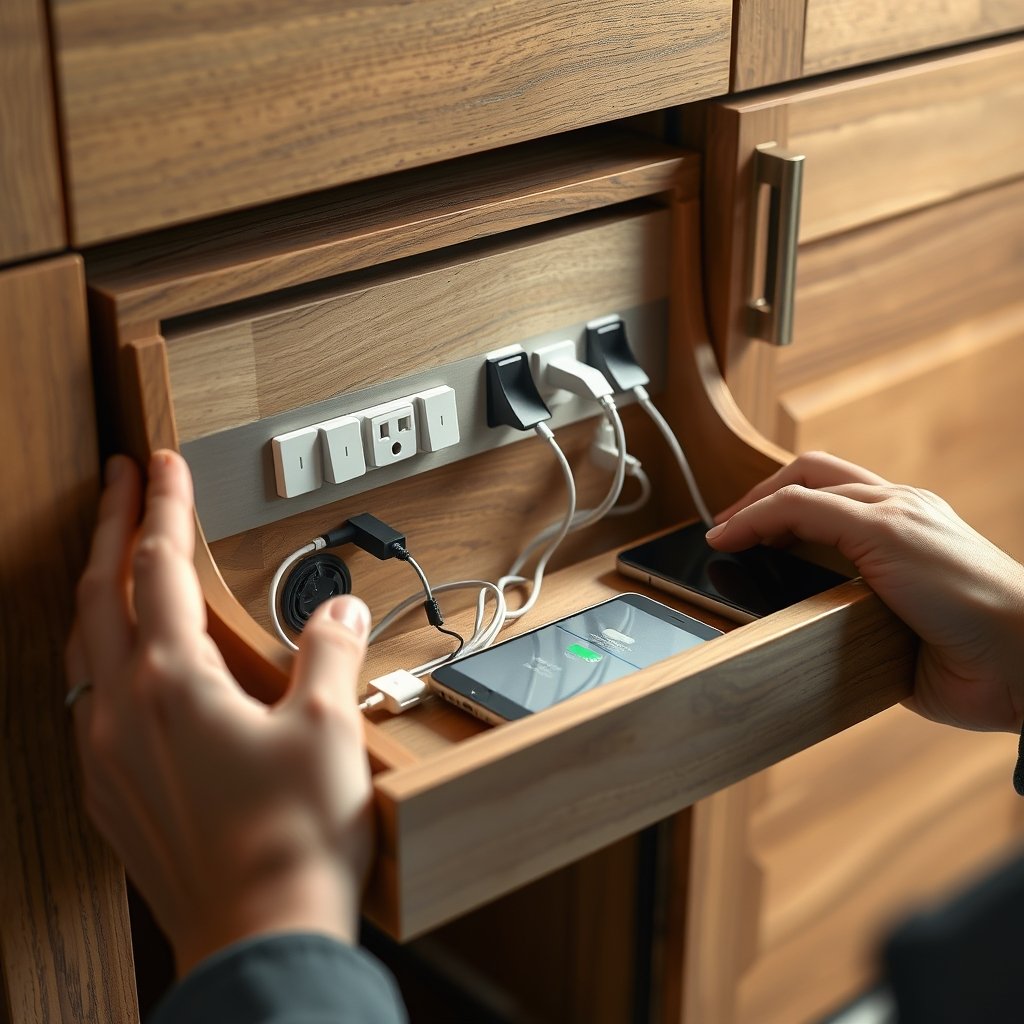
- If building into a drawer, drill with a forstner bit for clean cable entry or buy drawer-safe grommets.
- For in-wall units, properly shut off power at the breaker before cutting drywall. Use templates to avoid over-sized holes.
- Test assembly outside your cabinet or wall before final mounting.
- Finish for Functionality:
- Anchor power bricks or chargers securely. Loose units can cause cables to shift or pinch when the drawer closes.
- Consider adding cable management clips or short (6-8 inch) charging cables to reduce tangling.
- Test charging with your main devices to verify sufficient speed and signal. If wireless, check full phone zones for “sweet spot” alignment.
Thinking about adding value to your property with concealed power upgrades? See our ADU garage conversion cost guide for related renovation ROI and permitting strategies.
For extra design inspiration and integration ideas, AI-powered room design platforms (see our AI room design app guide) can simulate how a hidden charging station built-in will impact the look and functionality of your space—even before you start drilling.
Advanced Analysis & Common Pitfalls
Despite the aesthetic and day-to-day benefits, most hidden charging station built-in projects come with challenges rarely discussed by manufacturers or DIY blogs. Here’s a realistic look at common pitfalls based on technical best practices—and what most buyers wish they’d known earlier.
| Pitfall | Likelihood | How to Avoid |
|---|---|---|
| Overheating from non-certified power modules | High | Only purchase UL or ETL-listed hardware. Avoid off-brand imports with minimal documentation. |
| Cable pinching or fraying in drawers | Medium | Route cords in flexible cable tracks or use short “snubber” lengths. Test with drawer fully closed and loaded. |
| Poor wireless charging alignment | High | Mark “sweet spot” zones on the furniture surface or use charging pads with magnetic alignment features. |
| Lack of surge protection or GFCI (near water) | High for kitchens/baths | Install GFCI outlets or surge strips upstream if integrating into wet areas. |
| Difficulty upgrading outlet types after install | Medium | Choose modular designs with replaceable charging modules or designs that allow USB-A to USB-C swap-outs. |
Another gap almost never mentioned? Costs. There’s virtually no market data for 2024 on what homeowners pay for these upgrades. While EV charging infrastructure is seeing billions of dollars in investment (source), the home sector lacks price transparency. Ballpark estimates: expect $80-$300 for retrofit furniture kits, and $150-$600 for custom or hardwired installs (plus labor if not DIY).
For long-term reliability, stick to power modules rated for continuous use, and always leave enough slack in cords or wireless pads to allow for motion and future upgrades.
Noise and device interference can become issues in dense tech setups. If you need even more quiet (e.g., for a home office or studio), consider DIY soundproofing panel tips to make your space productive and peaceful.
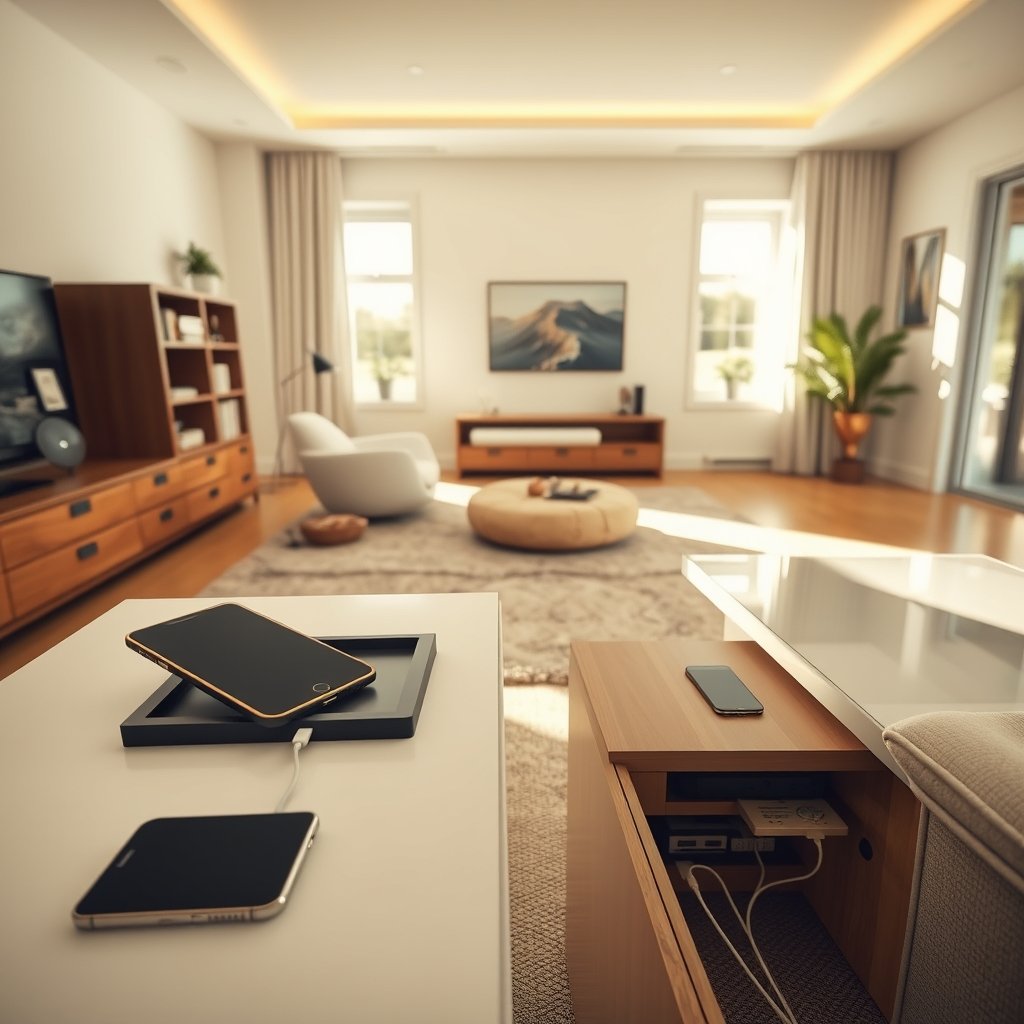
One last insider tip: plan for futureproofing. Device charging standards evolve quickly (USB-A to USB-C, MagSafe power, etc.), so avoid permanent choices if your setup will likely need an update in 1–2 years.
Conclusion
A hidden charging station built-in upgrade can make your home, office, or workspace feel more functional, organized, and visually peaceful. It helps reduce cable clutter while keeping your furniture clean, modern, and more practical for daily use.
When designed properly, a hidden charging station built-in solution improves both convenience and aesthetics. It can blend seamlessly into desks, nightstands, kitchen islands, or custom cabinets without disrupting the overall style of your space.
To get the best results, choose certified and safe charging components, plan cable routing carefully, and think ahead about how your devices may change over time. A well-planned hidden charging station built-in setup is not just a stylish upgrade—it’s a smart, long-term investment for modern living.
Ready to transform your home? Explore our living room panel upgrade guide, review our washer dryer efficiency tips, or take the next step by adding a hidden charging station built-in where you need it most. Share your experience or ask questions below—your insights help everyone avoid mistakes.
Frequently Asked Questions
Is it safe to install a hidden charging drawer myself?
If you’re only plugging a UL-listed charger into a nearby outlet, yes—just follow manufacturer instructions. Hardwired or in-wall installs near water require professional, code-compliant work. Always shut off power and test connections before use.
What are the best locations for a built-in charging station?
Top picks: bedside tables, office desks, kitchen islands, and entryway shelves. Choose a spot where you charge most often, and where hidden wiring won’t get pinched, overly hot, or exposed to spills.
Do built-in wireless charging pads work through all furniture?
No. Wireless pads typically work through wood or composite material up to about half an inch thick—never marble, stone, or metal. Always check the manufacturer’s surface requirements and do a quick “signal test” before permanent installation.
How much should I budget for a hidden charging station built-in?
Expect to spend around $80–$300 for DIY furniture kits and $150–$600 (plus labor) for hardwired or custom installations. Prices vary by source and complexity. There’s little standardization, so shop carefully.
Can I add surge protection to my built-in charging station?
Yes. Either use a GFCI outlet (essential for kitchens/baths) or plug your station into a quality surge protector upstream. Never skip this step for expensive devices or wet areas.