

Table of Contents
Ventless washer dryer combo units have become a top choice for apartment dwellers and urban homeowners who need efficient laundry solutions in limited spaces. But how do these combos actually perform, what do buyers need to know, and what are the real pros and cons compared to traditional vented setups?
Key Takeaways
- Ventless washer dryer combos save space and eliminate the need for external venting, making them ideal for apartments and urban homes.
- Drying times are significantly longer than vented units, and buyers should weigh energy efficiency against potential reliability issues and higher upfront costs.
- Understanding installation requirements, technical specs, and common pitfalls helps ensure you get the right ventless combo for your space.
What Is a Ventless Washer Dryer Combo and Why Choose One?
Ventless washer dryer combos are all-in-one laundry appliances designed to wash and dry clothes in the same drum without requiring an external vent. Instead of exhausting hot air outside, they use condenser or heat pump technology to remove moisture from clothes, making them flexible for installation in spaces that lack traditional dryer vent access.
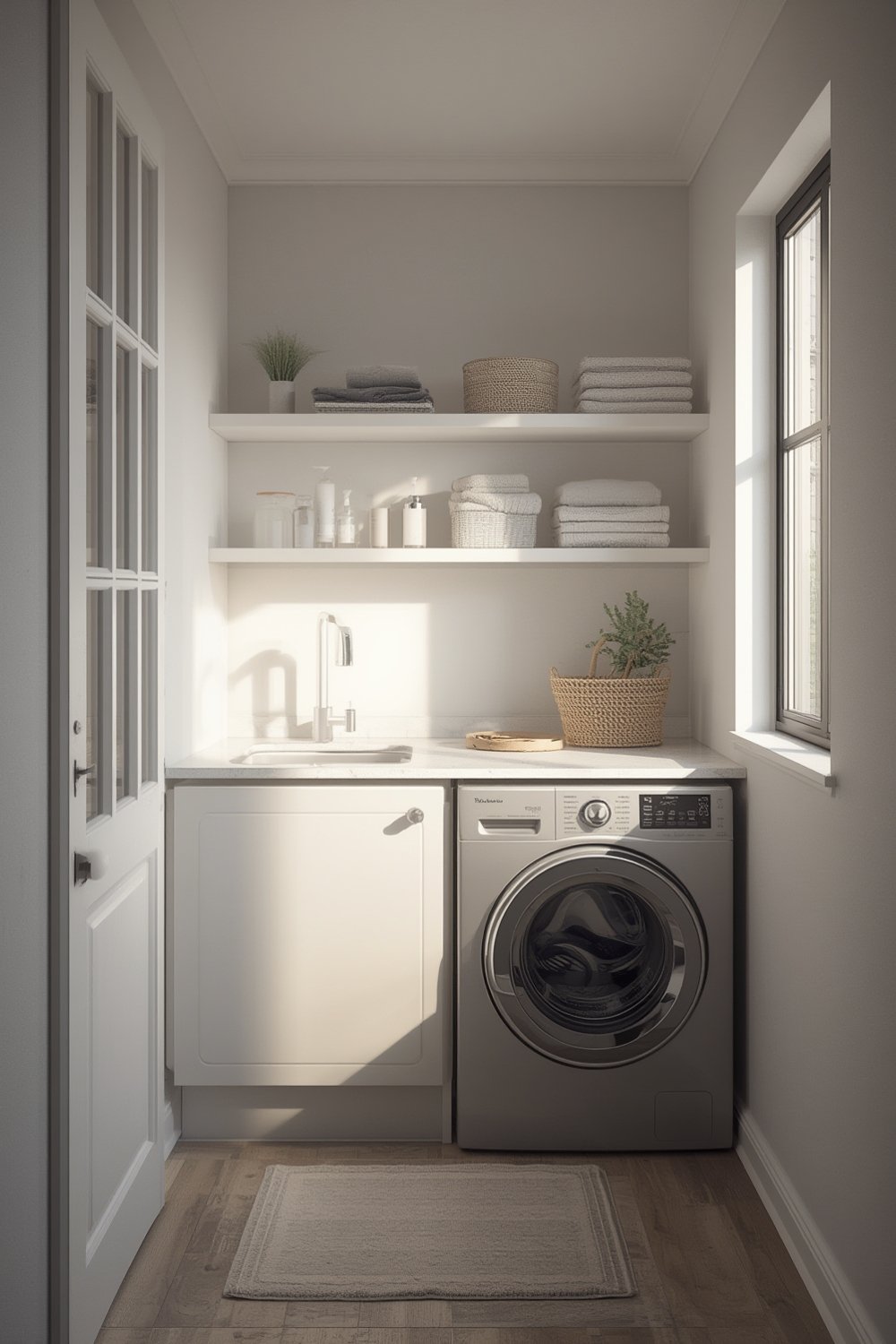
This type of machine is especially popular in apartments and small homes. In 2024, the global washer dryer combo market reached USD 17.8 billion, with ventless models seeing fast adoption in North America’s urban centers due to their compact footprint and simple installation requirements (source). Instead of a 220V connection and duct, most ventless combos run on a standard 120V or even 110V outlet, and only require access to water and a drain. This opens up possibilities in kitchens, bathrooms, or closets that would otherwise be off limits to full-size vented laundry pairs.
Market trends from Grand View Research show that compact, ventless combos are gaining traction as urbanization intensifies and apartment living becomes more common. However, while their space-saving design and installation flexibility are big draws, users need realistic expectations about drying times, load sizes, and durability.
How to Choose and Install a Ventless Washer Dryer Combo: Step-by-Step Guide
If you’re considering a ventless washer dryer combo—whether for a small home, apartment, or even an RV—use these steps to make the process smooth and successful:
- Measure your space accurately. Most ventless combos are 24–27 inches wide, 33–34 inches high, and 22–24 inches deep. Allow 2 inches clearance at the sides and rear for air circulation and hose connections.
- Check electrical and water requirements. Most models plug into a standard 120V/15A or 110V/15A outlet. You’ll need a cold water supply, a drain (standpipe, sink, or floor drain), and, ideally, a space with some air flow but no outdoor venting need.
- Decide between condenser and heat pump technology. Condenser dryer combos use heated air to evaporate moisture, while heat pump models recirculate air and remove humidity using a refrigerant system. Heat pump units are more energy-efficient (COP 3–4x) but usually cost more up front.
- Expect longer drying times. Ventless cycles typically take 2 to 4 hours for drying, which can mean a full wash and dry cycle of 4 to 6 hours. Plan around these times if you have frequent or bulky loads.
- Professional or DIY installation? Most ventless units are suitable for DIY installation, but ensure you have access to water and a drain. If adapting cabinetry or running new water lines, professional help may be best.
For renters and city dwellers, ventless combos can go almost anywhere—kitchens, bathrooms, or closets—without major renovations. Their small size is comparable to compact carpet cleaning appliances like the Hoover PowerDash Pet Carpet Cleaner, making them an easy fit even in tight urban spaces.
Don’t forget that heat pump combos are up to three times more energy efficient than conventional vented units (source). This means lower utility bills and gentler drying for delicates, but with the trade-off of slower cycles.
Advanced Analysis & Common Pitfalls
Despite their advantages, ventless washer dryer combos have several critical downsides buyers should be aware of. Below is a side-by-side comparison based on recent data and user reviews:
| Feature | Ventless Washer Dryer Combo | Traditional Vented Unit |
|---|---|---|
| Drying Time (normal load) | 2-4 hours | 45-60 minutes |
| Energy Use | Lower (especially heat pump, COP 3–4x efficiency gain) | Higher |
| Noise Level | 50–70dB | Typically 60–70dB |
| Service Rate / Reliability | Higher service calls due to integrated design | Lower (separate components easier to service) |
| Space Required | 24–27” wide, 22–24” deep, 33–34” high | Larger, needs vent ducting |
| Installation Cost | Lower, no ductwork | Higher, vent install needed |
| Initial Price | $1,000–$2,500+ | $800–$2,000 (each) |
| Load Capacity | 2–4 cu ft (smaller) | 4–5 cu ft+ |
| Shrinkage/Fabric Care | Gentler drying, low shrinkage | Faster but harsher |
- Common Complaints: Users often cite high cost ($2,000+), cycle length, and reliability issues as obstacles. Service calls occur more frequently than with separate machines, due to the unified drum and integrated cooling system.
- Efficiency: While newer heat pump models boast significant energy savings, some standard ventless condensers can use more power if not properly maintained or overloaded. Cleaning the lint filter and condensing coil is crucial for optimal efficiency.
- Installation Caveats: While no vent is required, proximity to a cold-water tap and floor drain is still a must. For the lowest installation hassle, pick a spot within six feet of both. If you’re replacing an old vented machine, be aware you’ll need to cap or seal off unused vent ducts.
- Size Limitations: Most ventless combos can handle around 13–18 lbs of laundry per cycle. If you routinely launder bulky items, two loads might be necessary.
- Typical Noise Levels: Although 50–70dB is normal (comparable to a quiet conversation or dishwasher), be cautious if installing near living or sleeping areas.
- Check for features that share compactness and easy storage with your other cleaning appliances, which can help optimize space usage in small homes.
Advanced buyers might also look into technical specs overlooked by most reviews, like the machine’s coefficient of performance (COP), decibel ratings, and water extraction percentage—which all impact utility costs and drying results. Most top-ranking “best of” lists omit these details or fail to report on expected service intervals (MTBF) and exact model reliability for 2026.
When considering ventless combos for a tight apartment, be sure to compare not just price—but cycle time, capacity, feature set, and brand reliability data from sources like Yale Appliance or major consumer reports.
Conclusion
A ventless washer dryer combo is a practical laundry solution for apartments and small urban spaces, offering significant savings in floor space and installation hassle. They are most appealing for locations where traditional vented units just aren’t feasible. Remember, the biggest trade-offs are longer cycle times, slightly smaller load capacities, and potential service challenges.
If you want to maximize your apartment’s efficiency—especially when paired with other compact solutions like the Hoover PowerDash Pet Carpet Cleaner—then a modern, energy-efficient ventless washer dryer combo can be a smart investment. Ready to upgrade your laundry game? Research top brands, check real-world user feedback, and confirm your installation space before buying.
Have questions? Explore further below—or catch our detailed carpet cleaner review for more compact cleaning inspiration.
FAQ
How long does it take to dry clothes in a ventless washer dryer combo?
Drying typically takes 2 to 4 hours per load, which is much longer than a traditional vented dryer. The total wash and dry cycle could be between 4 and 6 hours, depending on load size, fabric type, and the machine’s technology (condenser versus heat pump).
Are ventless washer dryer combos reliable for daily use?
While ventless combos are convenient, reliability tends to be slightly lower compared to separate washer and dryer units. Integrated design complexity means more frequent service calls, especially as the machine ages. Always research manufacturer service records and user reviews before purchasing.
What’s the minimum space and electrical requirement for a ventless washer dryer in an apartment?
Most need a space roughly 24–27 inches wide, 22–24 inches deep, and 33–34 inches high. They typically run on a standard 120V/15A (or 110V) outlet, need a water inlet and a drain, and require no external venting, making them suitable for kitchens, bathrooms, and closets.
Are ventless washer dryer combos energy efficient?
Heat pump ventless models are highly energy efficient, offering coefficient of performance (COP) gains of 3–4x compared to conventional dryers. Condenser versions may use more power if overloaded or poorly maintained, so always clean filters and avoid overfilling the drum.
How do costs and installation compare to vented or heat pump alternatives?
Ventless units generally cost $1,000–$2,500+ but don’t require external venting, reducing installation complexity and expense. Heat pump models cost more upfront yet deliver ongoing savings via lower energy usage. Vented units may have lower appliance prices but require ductwork, especially in older buildings.
—