

Table of Contents
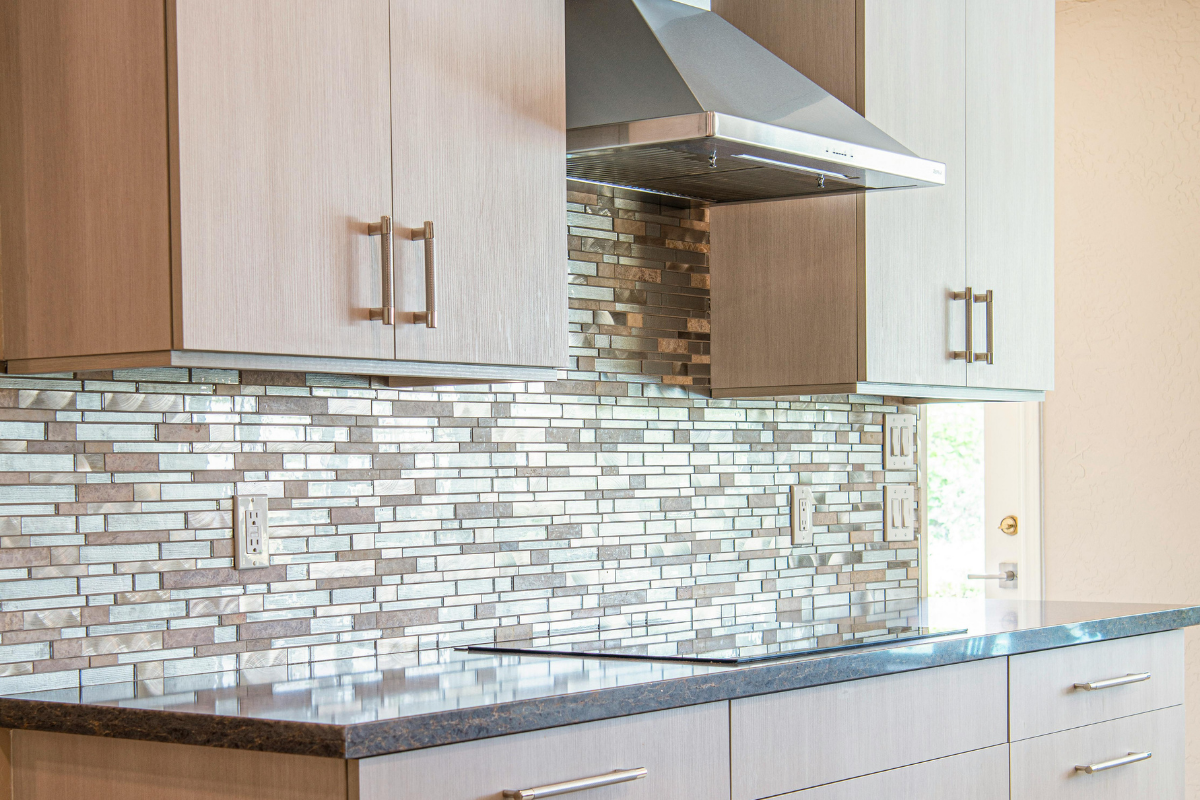
Peel And Stick Backsplash Tile Kitchen upgrades can transform your cooking space in a single afternoon, with no grout, special tools, or professional installation required. If you’re looking for an easy and stylish Peel And Stick Backsplash Tile Kitchen makeover, this trend has quickly become one of the most practical ways to refresh outdated walls without a full renovation.
In 2024, renters and DIY homeowners are driving major demand for Peel And Stick Backsplash Tile Kitchen designs thanks to their affordability, convenience, and visual impact. But is a Peel And Stick Backsplash Tile Kitchen project really as easy as it looks online? Keep reading to discover the real pros, common mistakes, smart installation tips, and hidden costs most guides completely ignore.
Key Takeaways
- Peel and stick backsplash tiles lead market trends for their fast installation, affordability, and renter-friendliness, particularly in hexagon and marble styles.
- Few guides explain the real downsides—such as removal difficulties, wall damage, or security deposit risks—in rental spaces.
- Knowing nuanced installation, cleaning, and removal strategies prevents headaches down the line and maximizes your kitchen upgrade.
What Are Peel and Stick Backsplash Tiles & Why Choose Them?
Peel and stick backsplash tile kitchen products are adhesive-backed panels designed to mimic the look of real tile. These tiles are a practical solution for renters, apartment dwellers, and anyone wanting to avoid traditional grout-based installations. In 2024 and beyond, hexagon patterns and marble finishes dominate online marketplaces, with flexibility and easy application driving their popularity. Multifunctional, durable, and easy to customize, these tiles offer a way to dramatically refresh your kitchen with minimal effort and investment.
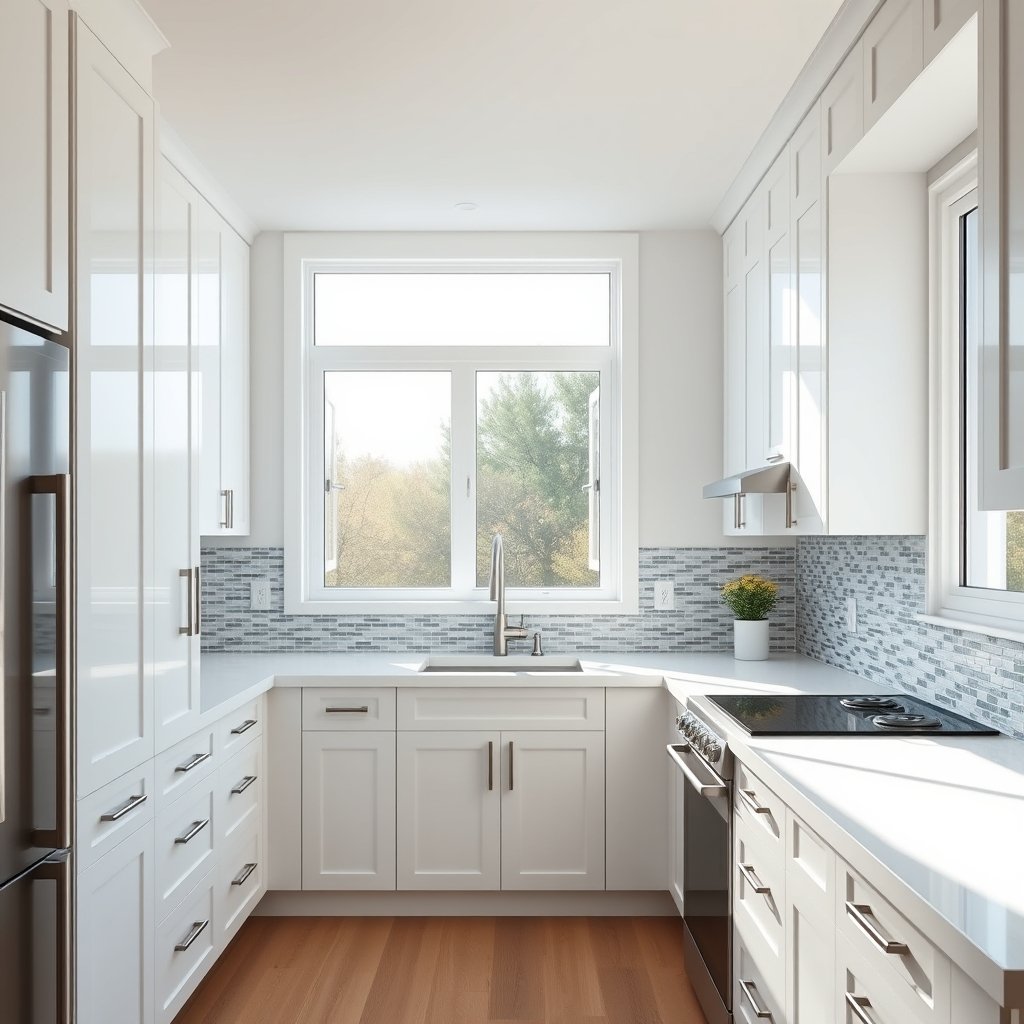
Unlike grout-based tiles, peel and stick backsplash options require no power tools or labor-intensive prep. Popular with DIYers and renters, they come in a range of textures—from faux stone to wood to matte finishes—to complement modern, bohemian, or classic kitchen aesthetics.
While traditional tiles are known for permanence, peel and stick options earn strong reviews for ease of use and affordability according to experts. Yet, their compatibility with painted drywall and impact on landlord deposits remain often-overlooked concerns. That’s why it’s essential to understand every angle before starting your next kitchen refresh.
DIY Guide: Installing Peel and Stick Backsplash Tiles in Your Kitchen
Installing a peel and stick backsplash tile kitchen solution is about prepping smart, laying carefully, and planning for eventual removal—especially if you rent. Here’s a realistic, hands-on breakdown:
- Measure and plan the layout. Always purchase about 10% extra for trim and errors. Clean the wall first—grease or soap residue may interfere with adhesion.
- Test a sample tile. Stick a single tile for 24 hours in an inconspicuous spot to check for paint compatibility and ease of removal. This is crucial for avoiding tears, adhesive residue, or paint lift.
- Mark straight lines as starting points. Use a level and pencil; crooked starts can throw off the entire wall’s symmetry.
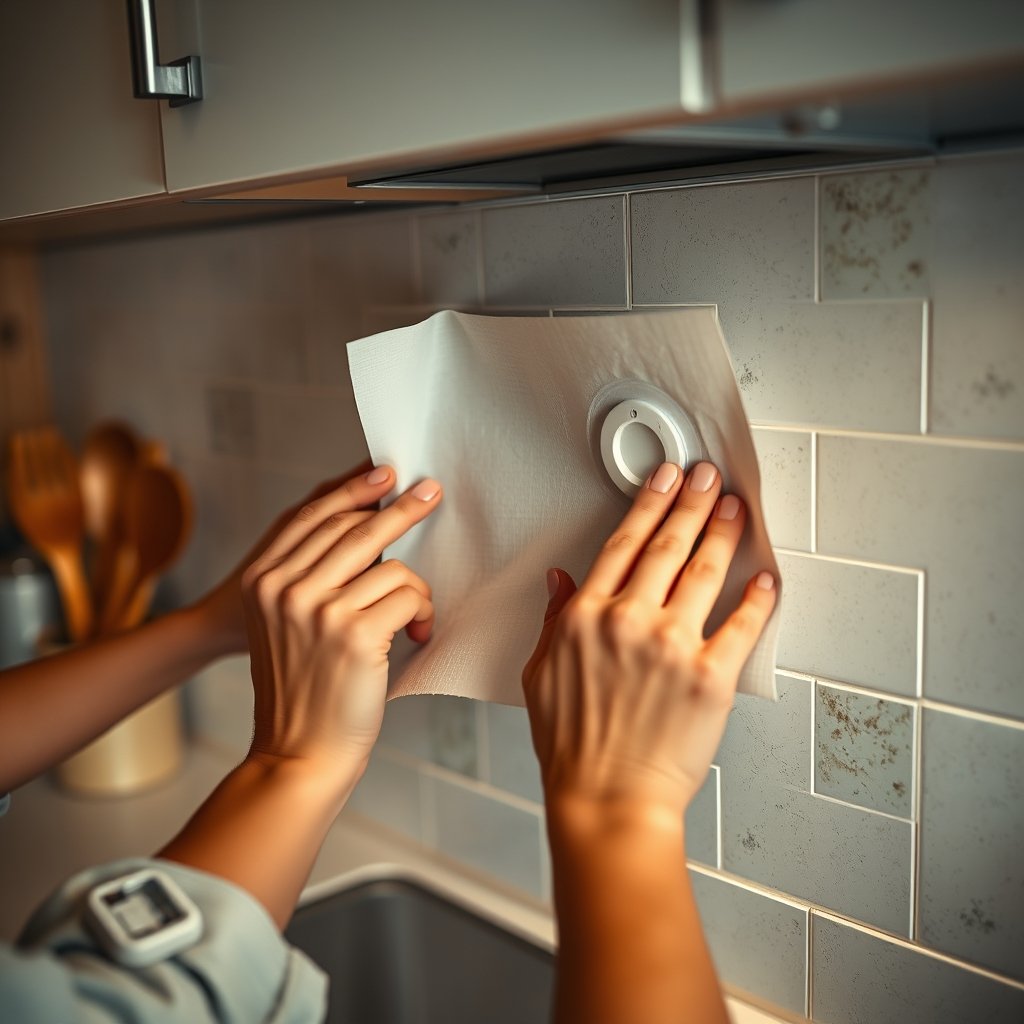
- Peel backing and apply tiles gently, pressing from center out to remove air bubbles. Gently reposition if slightly off—most adhesives allow minor adjustments shortly after placement.
- Trim as needed with a sharp utility knife. For outlets or tight areas, make precise cuts for a finished look. (Always mind your fingers.)
- Seal edges (if needed). Some products benefit from a thin, clear caulk bead along the countertop edge to block water intrusion. Read manufacturer instructions.
- Let set as recommended. Don’t clean or get tiles wet for at least 24 hours to ensure adhesive bonds.
Need more home improvement tips for renters and small space upgrades? Check out our popular guides on how to maximize laundry efficiency or DIY soundproofing for apartments—all designed with compact living in mind.
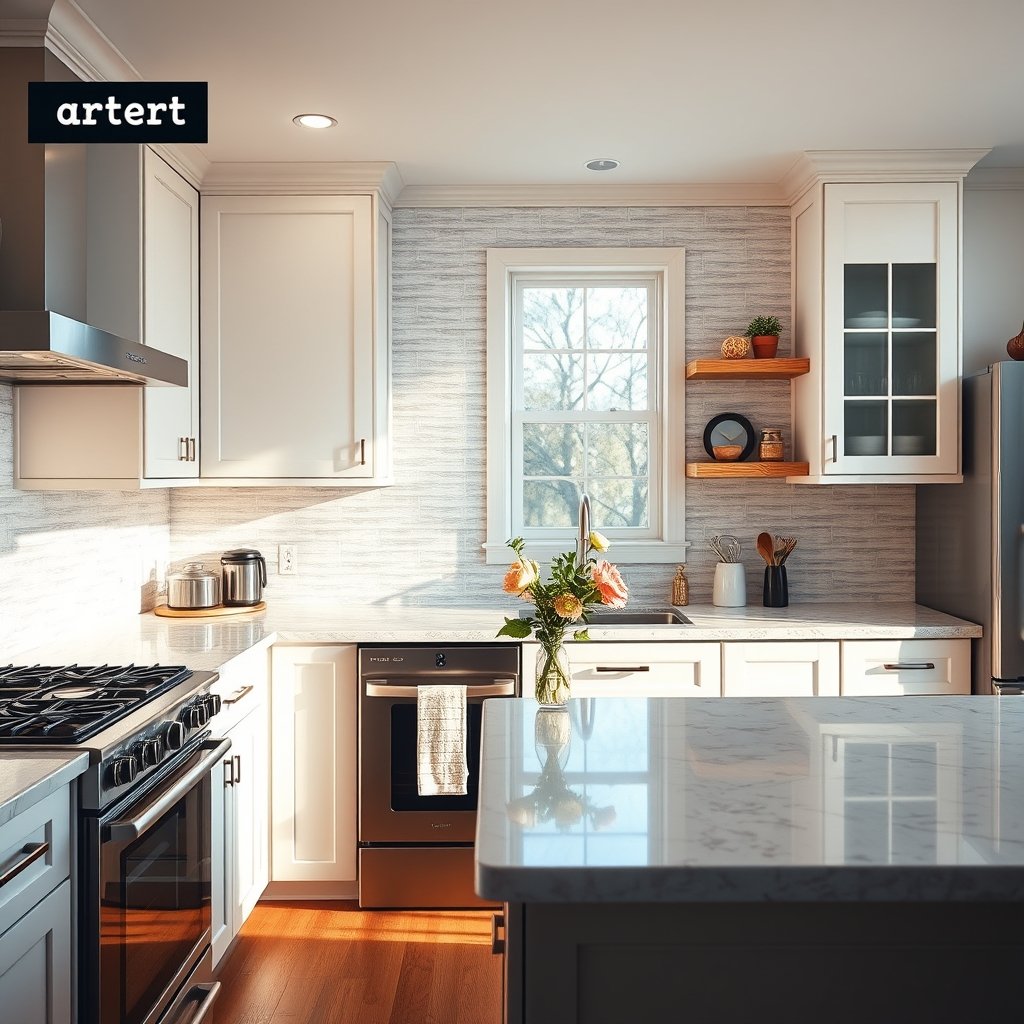
Finished peel and stick installations look remarkably like real tile, but expert finishing—straight edges, matched patterns, sealed ends—makes the ultimate difference.
Advanced Analysis & Real Pitfalls
Peel and stick backsplash tiles are easy— but not foolproof. Research and real-world feedback highlight several overlooked risks:
- Removal Can Be Messy. Adhesive residue or paint tears are more common on older, matte, or unprimed walls—a serious problem for renters concerned about deposits.
- Moisture Protection Isn’t Perfect. Unlike grout, peel and stick seams can let water creep behind tiles. Kitchens with heavy steam/cooking require high-quality, waterproof-rated products—always check features before purchase.
- Longevity Varies. Some tiles peel at corners over months, especially near stovetops or if exposed to cleaning chemicals. Gentle, non-abrasive cleaning extends life.
- Wall Preparation Is Critical. Skipping cleaning, failing to test, or applying on glossy tile can lead to failed adhesion or bubbling.
- Mistakes Show. Once stuck, deep creases/bubbles are tough to fix without replacing tiles. Plan layout and cut carefully, double-check before pressing down fully.
How do these panels truly compare to traditional grout-based tiles? Let’s break it down:
| Aspect | Peel and Stick Tiles | Traditional Grout-Based Tiles |
|---|---|---|
| Installation Time | Quick DIY, no grout, minimal tools. Most kitchens complete in 1 day. Source | Multi-day; requires tools, grout, often professional install. Source |
| Cost | Lower—materials typically $6–$25/sq ft, no labor cost. Hidden cost: potential deposit charge if residue damages paint. | Higher—materials and labor can exceed $50/sq ft. Permanent. |
| Longevity | Generally durable for 2–5 years in normal use. Steam or moisture may reduce lifespan. | 15+ years with proper care; grout can stain/chip but typically far outlasts peel and stick. |
| Appearance | Modern, realistic (marble/hexagon); slightly less depth than ceramic tile. Textured 2024+ options look convincing. | Timeless, authentic; limitless patterns and finishes. Classic luxury. |
Current top-ranking articles often skip advanced removal strategies, wall compatibility tips, and financial downside scenarios. For rental units, always ask landlords before installing, keep packaging for product information, and use barrier methods (primers or tape) on delicate drywall or painted areas.
As a side note, if you’re optimizing your entire living space, digital tools like an AI room design app or upgrading with modern fluted wall panels can also greatly simplify and personalize your home transformation.
Conclusion
Peel And Stick Backsplash Tile Kitchen upgrades stand out for their speed, affordability, and creative flexibility—especially for renters and DIY homeowners looking for a fast makeover. A well-planned Peel And Stick Backsplash Tile Kitchen project can instantly refresh your space without the mess, cost, or commitment of a traditional renovation.
To get the best results from your Peel And Stick Backsplash Tile Kitchen installation, it’s important to prep the wall properly, choose high-quality tiles, and think ahead about removal and surface protection. When done right, a Peel And Stick Backsplash Tile Kitchen upgrade can give you a stylish transformation without putting your paintwork or security deposit at risk. Ready to try it? Start planning today and upgrade your kitchen in less than a weekend.
If you want to increase your property value even further or gear up for larger renovations, don’t miss our in-depth guide on ADU garage conversion cost and return on investment. Or if cleaning up after a kitchen upgrade, you’ll find the Hoover PowerDash Pet Carpet Cleaner review extremely helpful for keeping new and old spaces spotless.
FAQ
Will peel and stick backsplash tiles damage my rental’s painted walls?
If installed on painted drywall or unprimed surfaces, these tiles can remove paint or leave adhesive residue, risking security deposits. Test in a hidden spot and consider installing a removable barrier for protection.
How long do peel and stick backsplash tiles actually last?
Most quality tiles last 2–5 years under normal kitchen conditions. Longevity drops with excessive heat, steam, or heavy-duty cleaning chemicals.
Can I install peel and stick tiles behind a stove or sink?
Yes, but choose heat and water-resistant brands. Always check manufacturer ratings—some may warp or peel if directly exposed to heat or moisture. Consider sealing edges with caulk for extra water protection.
How do I remove peel and stick backsplash tiles cleanly?
Heat tiles gently with a hair dryer to soften the adhesive. Peel slowly and use a plastic scraper if needed. Remove any residue with warm soapy water or adhesive remover—test a hidden spot first to prevent wall damage.
What’s the average cost for high-quality peel and stick backsplash tile kitchen upgrades?
Average materials range $6–$25 per square foot (2024 pricing); DIY saves on labor. Factor in the potential cost of wall repair if paint or drywall is damaged during removal.