

Table of Contents
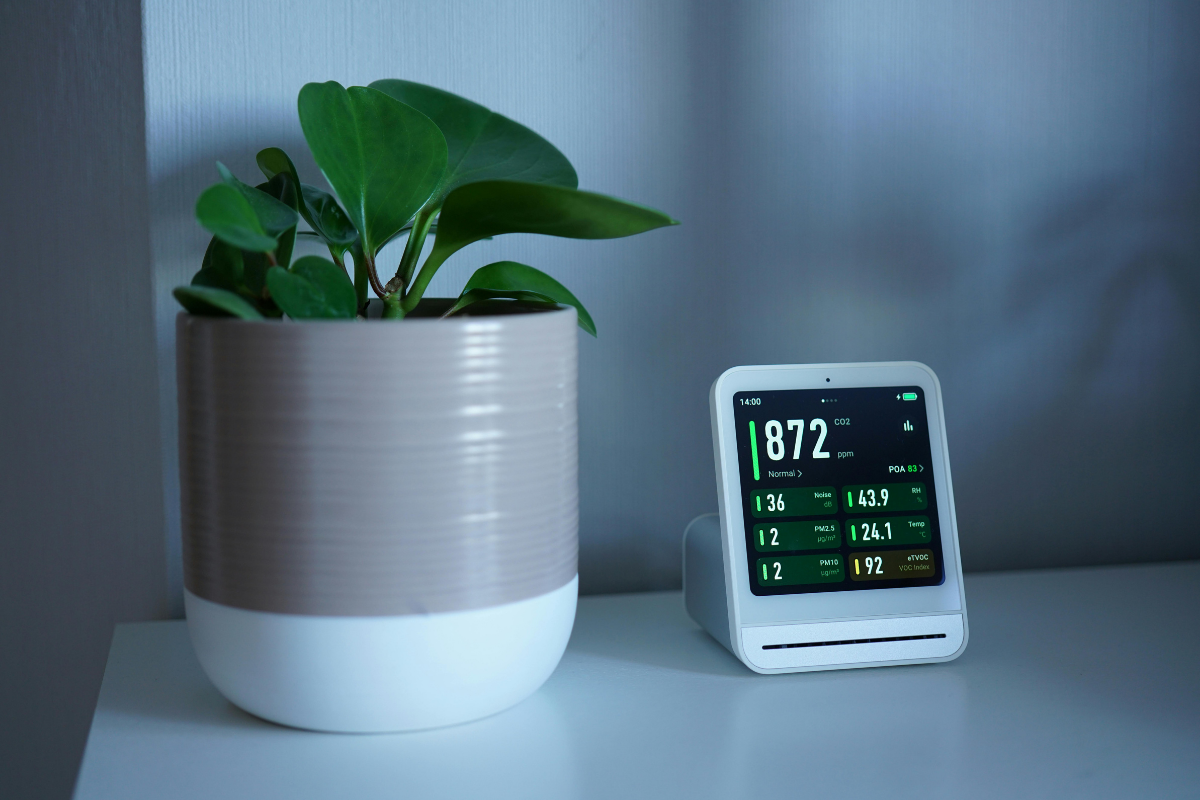
home air quality monitor indoor solutions are rapidly becoming essential for families who want to breathe easier and protect their health in 2026. With new scientific data showing alarming connections between invisible pollutants and chronic illness, understanding what you’re breathing indoors—and how to take action—has never been more critical. This guide breaks down exactly what you need to know, the proven steps to measure and improve your indoor air, and the pitfalls to avoid so you can confidently choose the right tools for your household.
Key Takeaways
- Indoor air quality directly impacts health, with PM2.5 causing up to 300,000 premature deaths annually in the US alone (source).
- A home air quality monitor for indoor environments lets you detect issues like PM2.5, VOCs, and CO2 before they become dangerous.
- Most common pitfalls include choosing monitors with poor sensor accuracy or skipping ongoing calibration and maintenance.
What Is a Home Air Quality Monitor Indoor (And Why You Need One)?
Indoor air pollution is invisible – but new research shows it’s often more dangerous than what you breathe outside. According to the American Lung Association, PM2.5 (fine particulate matter) inside homes leads to tens of thousands of preventable deaths every year. Air toxins like volatile organic compounds (VOCs), carbon dioxide (CO2), and even combustion byproducts from wood stoves build up—especially in homes with poor ventilation, tightly sealed windows, or high usage of certain consumer products.
A home air quality monitor indoor device continuously tracks the levels of pollutants in your home, alerting you if concentrations surpass safe thresholds. This real-time data lets you act quickly, whether that means adjusting ventilation, using an air purifier, or fixing the source entirely. For families with children, the elderly, or anyone suffering from asthma or respiratory issues, these monitors are not a luxury—they’re a lifeline.
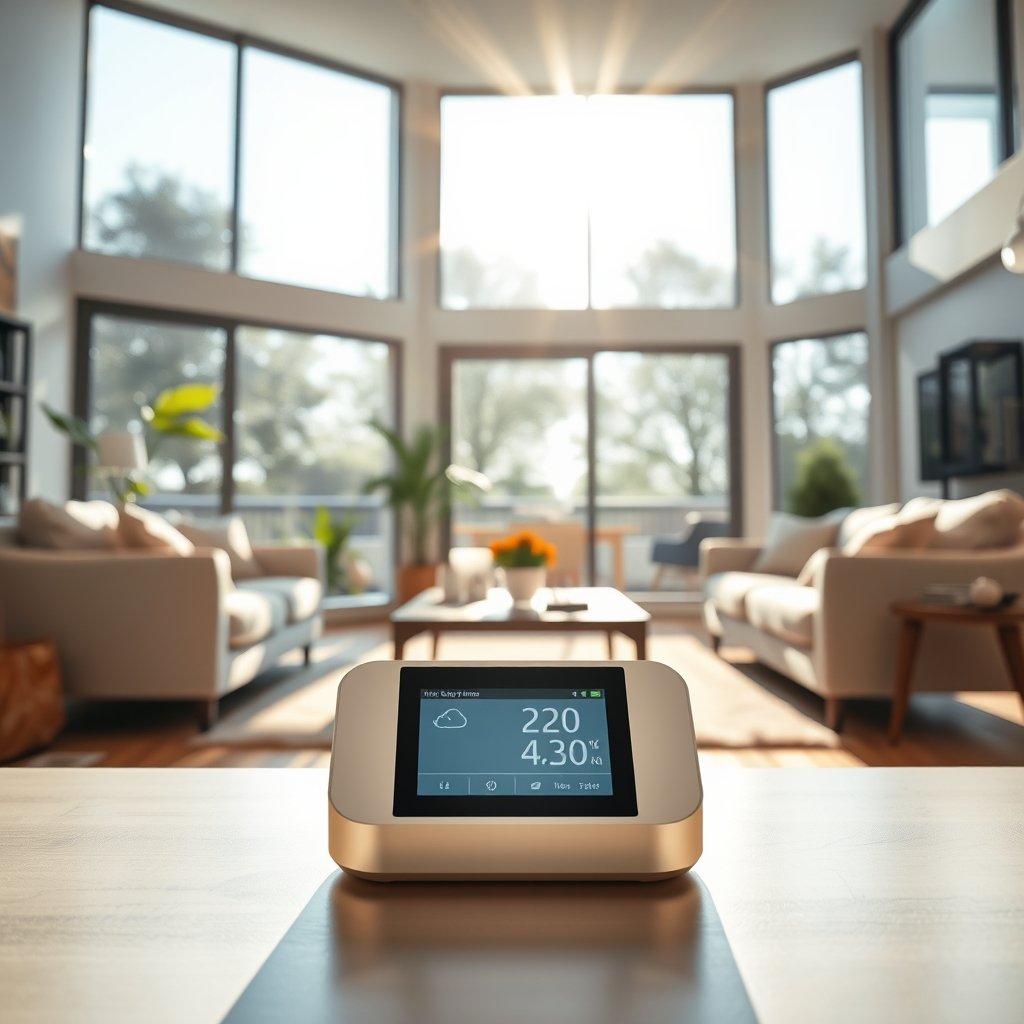
The latest health data also points to hidden risk factors. While only about 2 percent of US homes still use residential wood combustion as a heat source, it now accounts for nearly 28 percent of wintertime PM2.5 emissions—responsible for up to 8,600 premature deaths annually (source). Globally, exposure to household air pollution is linked to 6.7 million premature deaths every year (source).
Put simply: If you can’t measure what’s in your air, you can’t manage it.
For those investing in larger home projects—like soundproofing (see: home acoustic panels) or garage conversions (ADU garage conversion cost guide)—an indoor monitor forms the foundation of a safer, healthier living space.
How to Use a Home Air Quality Monitor Indoor: Step-by-Step
Getting meaningful results from your air quality monitor requires more than just plugging it in. Here’s how to get the most actionable indoor air data in 2026:
- Choose the right type: Decide which pollutants matter for your space—PM2.5, VOCs, CO2, radon, humidity, or temperature. Entry-level monitors may miss critical gases or lack data logging for trends. For new home offices or multifunctional spaces, check compatibility with smart home platforms (see: office-to-guest room combo guide).
- Install at key locations: Set up at least one monitor per floor. Focus first on bedrooms, nurseries, and spaces where you spend most time. For kitchens, avoid putting monitors directly above stoves or near exhaust fans, which can give false peaks.
- Calibrate regularly: Sensors can drift over time, leading to misleading values. Follow the manufacturer’s instructions for calibration—often once every six to twelve months. Some high-end devices offer auto-calibration using outdoor reference air as a baseline.
- Connect to your phone or smart home system: Use the included app (or a universal smart platform) to receive real-time alerts, review historical trends, and get recommendations for remediation. This is especially useful if you also run smart ventilation or a compact laundry system (see: combo laundry unit guide).
- Interpret the data and take action: Watch for warning thresholds:
- PM2.5: Ideally below 9 µg/m³ annually (EPA 2024 standard).
- CO2: Should remain under 800 ppm when rooms are occupied.
- VOCs: No safe level—look for spikes after painting, cleaning, or using scented products. Switch to low-VOC alternatives if needed.
Use your insights to run air purifiers, open windows, or adjust heating and cooling equipment. Re-test after interventions.
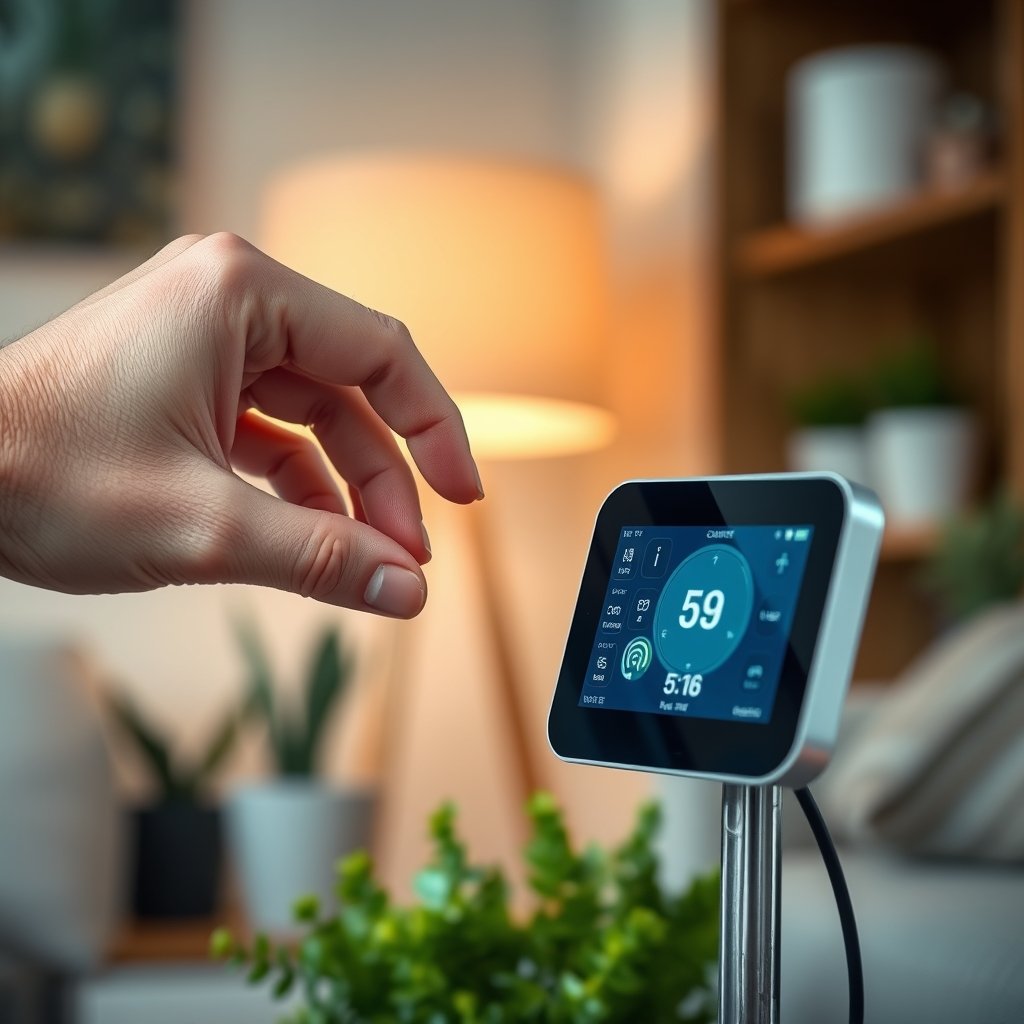
- Cross-check improvements: After making changes—like switching to low-VOC paints, adding a HEPA purifier, or sealing new wall panels (see: fluted wall panel tips)—track readings over several days to confirm sustained improvements.
- Maintain for accuracy: Replace sensors as needed (most last two to four years). Clean the unit as per the manufacturer’s schedule. Some advanced models require a small monthly subscription fee for enhanced data analytics—factor this into long-term costs.
Advanced Analysis & Common Pitfalls
The market for home air quality monitor indoor devices is booming. But not all monitors offer the same reliability, accuracy, or value. Based on recent research and real user feedback, here are the most important issues to watch for:
| Issue | What Can Go Wrong | How to Avoid/Remedy |
|---|---|---|
| Poor Sensor Accuracy | Cheaper models may underreport PM2.5 or VOCs, or miss short-term spikes. | Invest in monitors with published accuracy specs and third-party calibration. Look for recent certifications and user reviews. |
| No CO2 or VOC Detection | Some “air quality monitors” only measure PM2.5 and ignore gases or humidity. | Read technical specs. Demand multi-sensor capability if you care about total air health. |
| Lack of Historical Data | Many entry-level models only show current values, not trends or peaks missed while you’re out. | Choose a monitor with data logging and app integration. Use historical readings to identify consistent problems. |
| Noisy or Intrusive Alarms | Loud beeps, flashing lights, or constant notifications can quickly become a nuisance. | Opt for customizable alert thresholds and quiet notification options. |
| Overlooking Re-testing | Many users stop monitoring after their first intervention (like ventilating a room or adding an air purifier). | Continue monitoring and re-test after any changes—new furniture, floor upgrades, renovations, or changes in household use. |
| Ignoring Maintenance | Sensors degrade over time, leading to inaccurate readings without proper cleaning or replacement. | Follow scheduled maintenance and calibration instructions. Budget for periodic sensor replacement. |
For homeowners investing in major renovations—such as installing a cold climate heat pump or replacing a washer dryer combo—monitoring indoor air quality ensures that energy upgrades do not unintentionally reduce ventilation or raise pollutant levels. Similarly, attempts to soundproof rooms or install dense wall panels can affect air exchange and increase trapped gases if not properly planned.
Some commonly overlooked sources of indoor air pollution include new furniture off-gassing, flooring adhesives, and even use of hidden charging stations (see: built-in charging station tips) that keep electronics running 24/7.

Even with a high-performing system, no monitor covers every possible pollutant or source. Stay up to date on emerging risks, and supplement your strategy with low-VOC paints, verified by third-party labs wherever possible for continuous improvements.
Conclusion
Improving your indoor air starts with awareness. A home air quality monitor indoor system acts as your guard against invisible health hazards—guiding smarter choices, faster interventions, and safer living for you and your family. By following best practices for monitor placement, calibration, and long-term data tracking, you’ll be empowered to tackle hidden threats and create a healthier home in 2026 and beyond.
Ready to take control? Choose your monitor, set it up, and begin tracking. Let your data drive continuous improvements to your home’s air. Your next step: Share what you learn, and encourage friends and family to measure their own air too.
FAQ
What pollutants should a home air quality monitor indoor measure?
The most important are PM2.5, VOCs, and CO2. Advanced monitors also track temperature, humidity, and sometimes radon.
How often should I calibrate my indoor air quality monitor?
Most consumer-grade monitors need calibration every 6-12 months for accurate readings. Check your unit’s guidelines or opt for models with auto-calibration features.
Are wireless monitors reliable?
Yes, if they have good sensor specs and are properly calibrated. Wireless models make it easy to access data remotely and receive alerts.
What is the recommended PM2.5 level indoors?
According to the EPA’s 2024 standard, annual PM2.5 should stay below 9 micrograms per cubic meter (µg/m³) for optimal health.
Can indoor air quality monitors help reduce allergy symptoms?
Absolutely. By alerting you to high pollen, dust, or chemical levels, these monitors let you take immediate actions, such as running an air purifier or increasing ventilation.
—