
Table of Contents
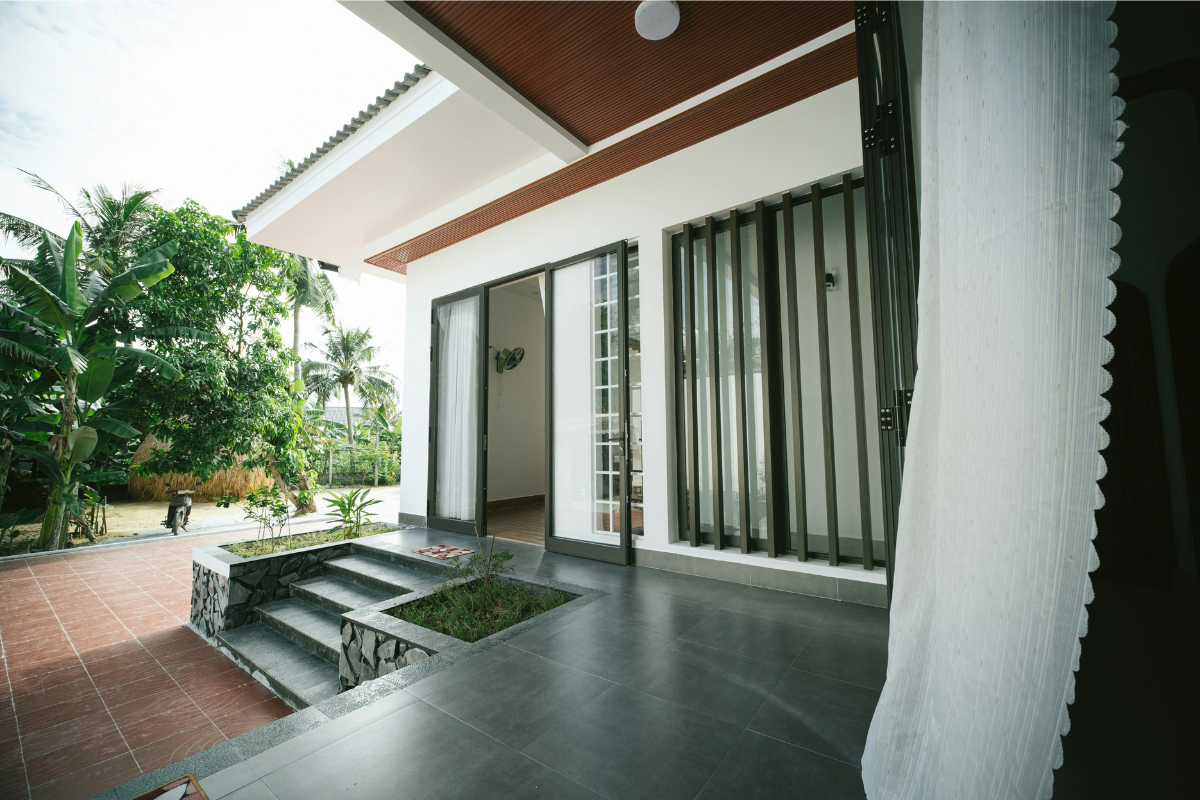
Zero Threshold Flush Door Threshold Indoor Outdoor designs are transforming modern homes by eliminating the step between interior and exterior living spaces. A well-planned Zero Threshold Flush Door Threshold Indoor Outdoor installation creates a seamless transition that improves accessibility, enhances visual flow, and supports inclusive design principles.
However, achieving a true Zero Threshold Flush Door Threshold Indoor Outdoor setup involves more than just choosing the right door system—it requires careful planning, technical precision, and attention to drainage, leveling, and long-term durability. Understanding how Zero Threshold Flush Door Threshold Indoor Outdoor systems work can help you avoid costly mistakes and ensure a smooth, lasting result.
Key Takeaways
- Zero threshold flush door thresholds provide seamless indoor to outdoor transitions, but require precise engineering and weatherproofing for long-term success.
- Drainage, waterproofing, and insulation are the biggest technical challenges; some climates and settings may be less suitable than others.
- Meeting ADA and local code requirements is possible—leading brands like ZERO International offer proven solutions—but ongoing maintenance is critical.
Zero Threshold Flush Door Thresholds: What They Are and Why They Matter
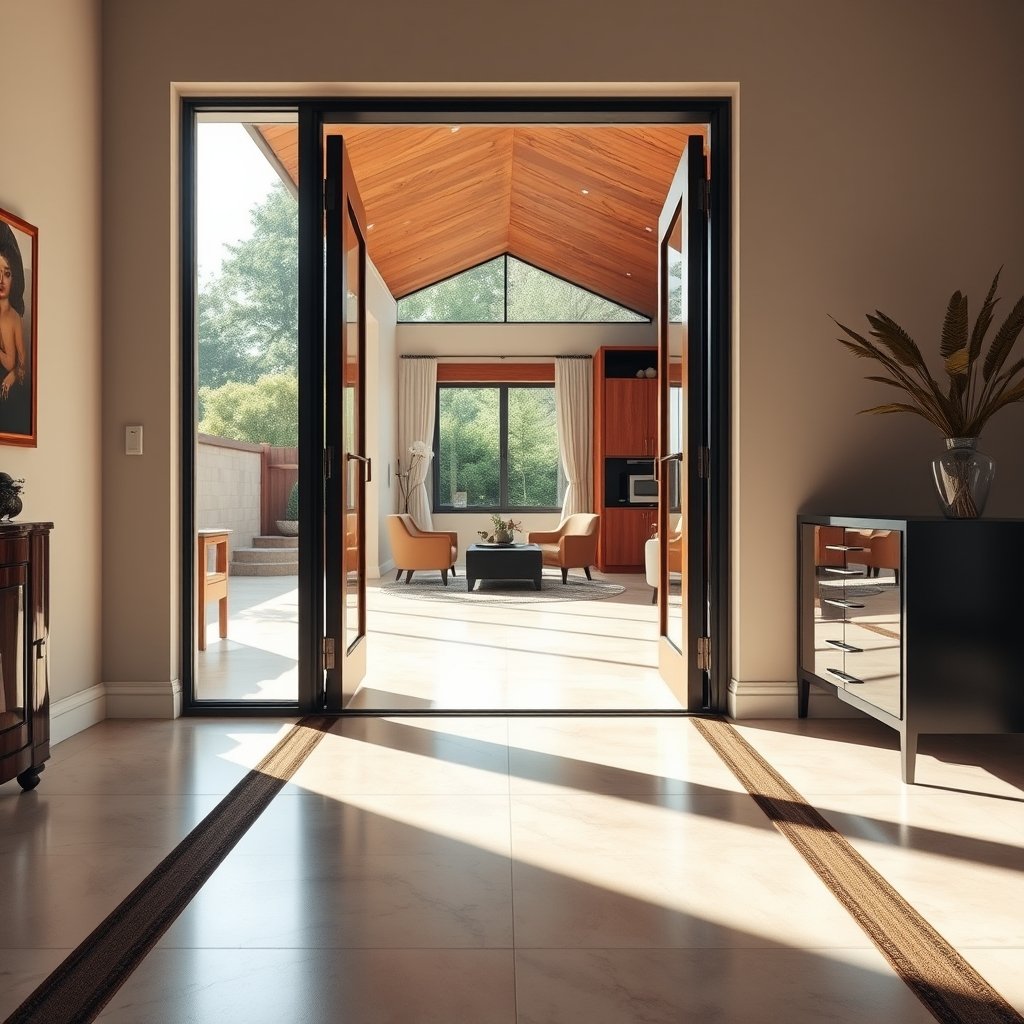
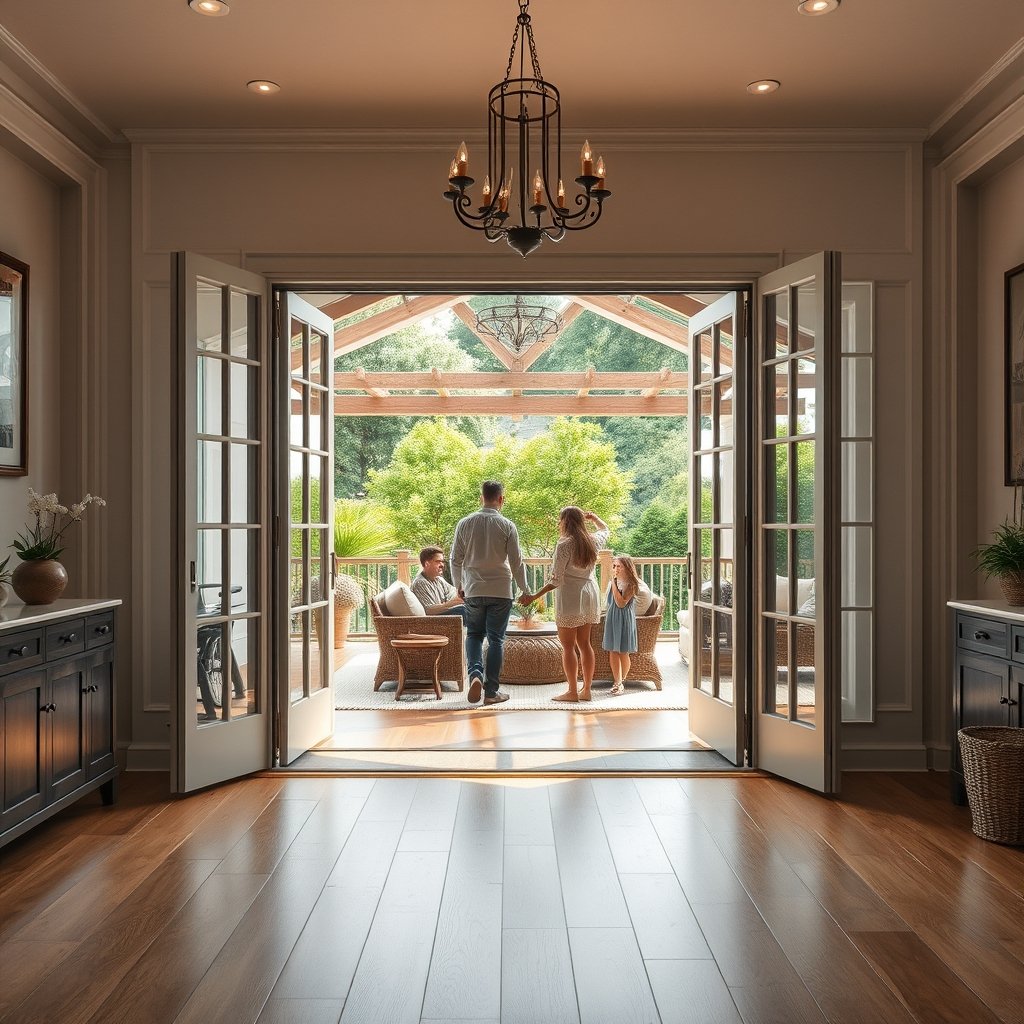
Zero Threshold Flush Door Threshold Indoor Outdoor solutions allow for uninterrupted flooring between interior and exterior spaces, creating a seamless and modern transition. A properly designed Zero Threshold Flush Door Threshold Indoor Outdoor system removes the step found in traditional patio doors, aligning both interior and exterior surfaces for a smooth finish.
Unlike standard doors with raised sills, this approach delivers a clean, contemporary look while improving accessibility for wheelchairs, strollers, and mobility aids. By using a well-planned Zero Threshold Flush Door Threshold Indoor Outdoor setup, homeowners can create a more versatile living environment that blends indoor and outdoor areas into one continuous, functional space.
While data for 2024 market adoption is limited, industry trends show that these systems are increasingly popular for residential patio access, favored for both their accessibility and modern appeal. Compared to conventional thresholds, flush systems demand advanced engineering for waterproofing, drainage, stability, and code compliance.
The demand is also partially driven by accessibility needs, and the concept is closely linked with “aging in place” home modifications and advances in ADA bathroom renovations. Many brands now offer dedicated lines of ADA-compliant, flush door thresholds for a range of climates and use cases.
In short, zero threshold flush door threshold indoor outdoor solutions are redefining how we move—and live—between interior and exterior spaces. But while the benefits are clear, execution requires more than just swapping out your existing patio doors.
Step-by-Step Guide: Installing a Zero Threshold Flush Door Threshold Indoor Outdoor Transition
Proper installation of a Zero Threshold Flush Door Threshold Indoor Outdoor system starts with a full understanding of your floor assemblies, door type, and exterior conditions. A well-executed Zero Threshold Flush Door Threshold Indoor Outdoor setup ensures a smooth, weather-resistant transition that performs reliably over time.
- Assess Existing Site and Floor Levels
Measure subfloor heights and finished floor materials inside and out. Zero threshold success depends on perfectly matched elevations—verified to within 2-3 mm. Where differences exist, plan for leveling compounds or tapered external transitions to prevent tripping hazards. - Remove Old Threshold, Screed, and Any Obstructions
To achieve a true flush install, remove existing screed, raised sills, and subframe elements down to the structural slab or framing. This is especially challenging in renovations, where demolition and subfloor modifications may be required. - Install Below-Surface Track System
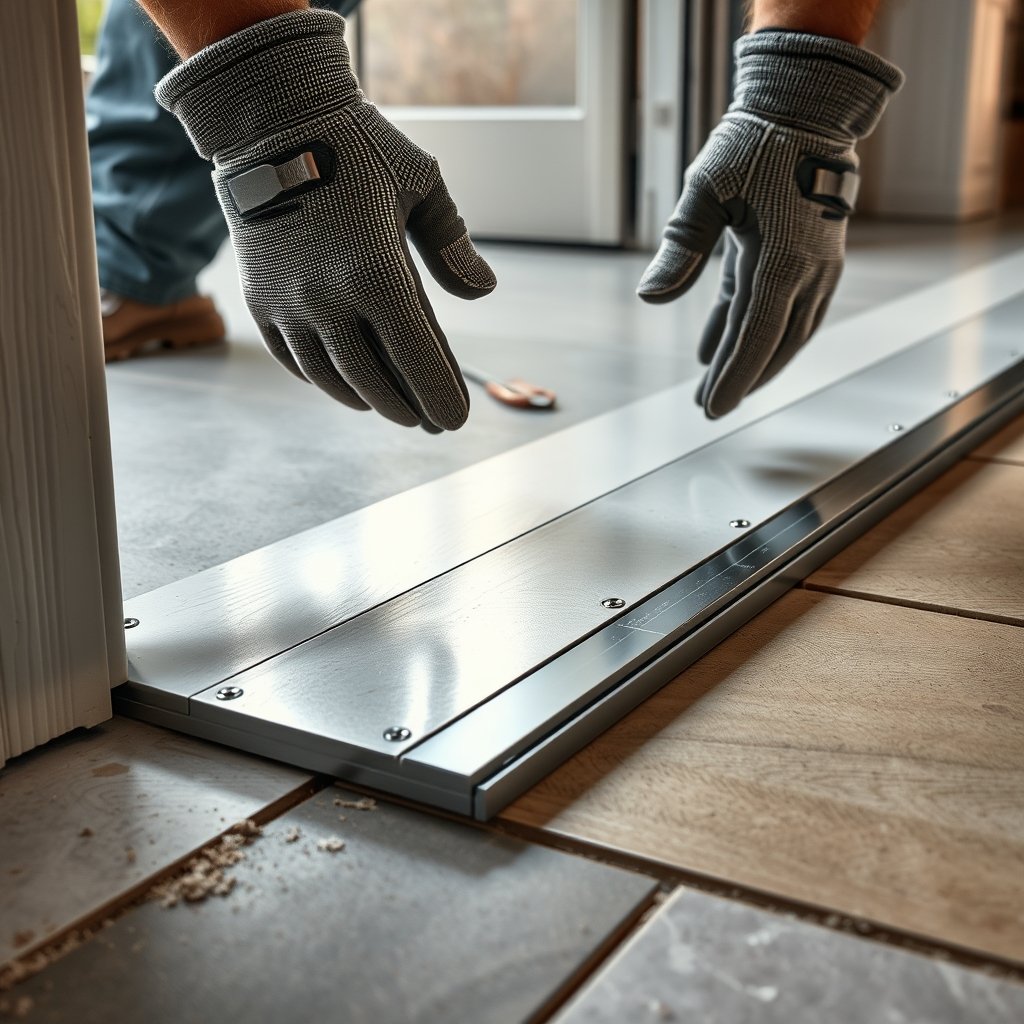
Zero threshold systems are engineered to sit below the final flooring line. Set precise channels or tracks in the threshold zone, ensuring structural support is adequate. Brands like ZERO International offer commercial-grade solutions with proven weather performance. - Apply Advanced Waterproofing Membranes
This step is critical: detail waterproof membranes around and under the threshold track, extending them vertically at least 100 mm on both sides. Seams and corners must be sealed with high-performance tapes or sealants per manufacturer specs. Source - Engineer a Sloped Drainage System
Exterior surfaces should slope at 1-2% away from the threshold. Integrated drainage channels or collection trays beneath the track direct water to exterior drains. Ensure outlets are accessible for periodic cleaning and that slopes match the manufacturer’s recommendations. - Install Door Panels and Glazing
Hang the sliding (or folding) door panels, aligning the hardware and gaskets. Confirm the door glides smoothly and achieves an airtight, watertight seal when closed. - Finish Flooring and Exterior Surfaces
Lay interior and exterior flooring to precisely meet the finished track edge. Whether using tile, hardwood, or composite decking, aim for less than 2 mm variation between the two surfaces for true zero threshold performance. - Test for Leaks and Accessibility
Conduct water and wind tests to ensure weatherproofing is effective. Roll a dolly or wheelchair across the threshold zone to confirm no bumps or snags. - Document and Schedule Periodic Maintenance
Keep manufacturer instructions and set calendar reminders for periodic clean drainage channels, gasket cleaning, and hardware lubrication.
For unique space-saving and upgrade ideas that enhance your home’s value beyond seamless door transitions, see how an ADU garage conversion or a multifunctional home office guest room can further maximize real estate value and lifestyle.
Many of these same accessibility and universal design principles apply when remodeling interiors, including in DIY soundproofing upgrades and affordable kitchen renovations.
Advanced Analysis & Common Pitfalls
Zero threshold flush door threshold indoor outdoor installations demand careful execution. Below is a concise breakdown of the most frequent challenges and realistic drawbacks homeowners and builders need to weigh before committing.
- Drainage and Weatherproofing Risks: Below-surface tracks and flush sills depend on engineered drainage systems, sloped exterior surfaces, and flawless membrane detailing. Poor execution often causes water ingress during heavy rain, snowmelt, or if drains become blocked. Source
- Insulation and Energy Efficiency: Because flush thresholds have less room for insulation compared to raised sills, they may lower the thermal performance of your door opening, affecting overall home efficiency. This can result in cold spots right at the doors, especially in harsh climates. Source
- Structural Adjustments Required: Retrofitting an older home may require significant demolition to match floor heights, relocate joists, and create a new support system for the track and door.
- Code Compliance: In many regions, zero thresholds must still meet ADA accessibility requirements, OSHA and local building codes for coefficient of friction, and may need fire-rated assemblies for commercial or multi-family projects. Reference ZERO International’s compliance documentation.
- Ongoing Maintenance: Drain channels and tracks must be kept clear of debris, and gaskets inspected routinely for failure. Neglect increases the risk of leaks or deterioration.
| Feature | Flush Zero Threshold | Standard Raised Threshold |
|---|---|---|
| Accessibility | Excellent (ADA compliant) | May impede wheelchair/stroller access |
| Weather Resistance | Requires advanced waterproofing | Generally robust; less prone to leaks |
| Energy Efficiency | Moderate; less room for insulation | High; raised for stronger air break |
| Installation Complexity | High; needs structural/floor adjustments | Moderate; often retrofit-friendly |
| Long-Term Maintenance | Frequent (keep drains/track clear) | Periodic |
Looking for inspiration on creating stunning surface transitions? Explore our guide to fluted wall panel installation for another approach to seamless lines throughout the home.
Comparing Materials and Brands for Zero Thresholds
For high-traffic and weather-exposed applications, heavy-gauge aluminum, aluminum oxide, and silicone carbide fillers provide both strength and traction. Many modern zero threshold products use energy-efficient thermal-break technology to reduce drafts and temperature loss. ZERO International (now part of Allegion) leads the field with ADA-compliant and fire-rated models for both residential and commercial settings (source).
Details like non-stick epoxy abrasives offer extra grip during wet weather. When comparing brands or products, check certifications, warranty, and the proven track record of weather resistance.
Designing Seamless Flooring Transitions
When planning a Zero Threshold Flush Door Threshold Indoor Outdoor project, flooring transitions play a critical role in achieving a smooth and continuous look. Although specific design tricks for bridging materials like wood to tile or tile to composite decking aren’t always widely documented, the key is maintaining consistent finished heights and using complementary materials.
For a cohesive Zero Threshold Flush Door Threshold Indoor Outdoor design, consider extending large-format porcelain tiles from the interior to the exterior, or matching composite deck boards with the indoor wood grain. To enhance visual flow, choose grout colors and deck finishes that blend naturally between spaces—avoiding any harsh or abrupt transition lines.
When to Avoid Zero Thresholds
Homes in flood-prone, subtropical, or extreme snow environments may benefit more from a slight raised threshold for superior weather resistance, unless a highly engineered solution is specified. Carefully consider your local climate when choosing between the two approaches.
If managing indoor air quality or mitigating sound transfer is a major concern, complement your threshold installation with indoor air quality monitoring or strategic soundproofing panel placement.
Conclusion
Zero Threshold Flush Door Threshold Indoor Outdoor solutions deliver outstanding accessibility and a sleek, high-end look, but they require careful planning, skilled installation, and ongoing maintenance—especially when it comes to drainage and waterproofing. A well-executed Zero Threshold Flush Door Threshold Indoor Outdoor system ensures a smooth, uninterrupted transition between interior and exterior spaces while supporting ADA-friendly design.
If your goal is seamless flow, long-term durability, and future-ready construction, a Zero Threshold Flush Door Threshold Indoor Outdoor setup can be a smart investment. To get the best results, always work with experienced contractors, inspect the system regularly, and document installation details for warranty and code compliance.
Ready to upgrade your patio access or modernize your home? Start planning your Zero Threshold Flush Door Threshold Indoor Outdoor project now to achieve a clean, continuous transition. You can also explore material options from trusted brands like ZERO International, and consult a local expert to ensure your design meets climate conditions and building regulations.
FAQ
Are zero threshold flush door thresholds truly weatherproof?
No zero threshold system is 100% weatherproof—especially in extreme rain or snow. Their success depends on careful drainage design, routine maintenance, and regular checks for blocked outlets or deteriorated gaskets.
How do I meet ADA or UK accessibility codes with a zero threshold?
When installed flush to the finished floor and with a non-slip surface, zero thresholds generally meet ADA and UK accessibility codes. Always confirm coefficient of friction values and proper installation for wheelchair use. See documentation from ZERO International for compliance tips.
What is the upkeep required for zero threshold flush doors?
You’ll need to clean drainage channels and tracks regularly, check for debris, inspect gaskets for wear, and occasionally lubricate hardware to prevent sticking or jamming.
Can I install a flush threshold door in an existing home?
Retrofit is possible, but usually involves structural changes—removing old screeds, lowering the substrate, and possibly reframing the entrance. Consider professional help unless you have advanced building experience.
Which brands make the best zero threshold door systems?
ZERO International (Allegion) is a top choice for heavy-duty, ADA-compliant, and fire-rated flush thresholds. Always compare warranty and third-party certifications before selecting a system.
—