

Table of Contents
Aging in place bathroom remodel is the top strategy for seniors seeking independence, but without the right plan, costs soar and safety issues remain. Here’s how to do it right in 2024, with true-to-life cost breakdowns, code tips, and solutions most guides miss.
Key Takeaways
- Expect a walk-in shower for seniors to cost $4,000–$20,000, with large variations depending on region and customization.
- Poorly executed remodels can still leave safety gaps, so follow a comprehensive, expert-backed checklist for all key features.
- Professional grab bar installation ranges $100–$500 per bar—don’t skip permits or code compliance for lasting safety and warranty coverage.
Understanding Aging in Place Bathroom Remodels
An aging in place bathroom remodel means redesigning your bathroom to support safety, mobility, and independence for older adults or those with disabilities. The goal is to minimize fall risks, improve usability, and prepare the home for current or future mobility needs, often before a crisis occurs.
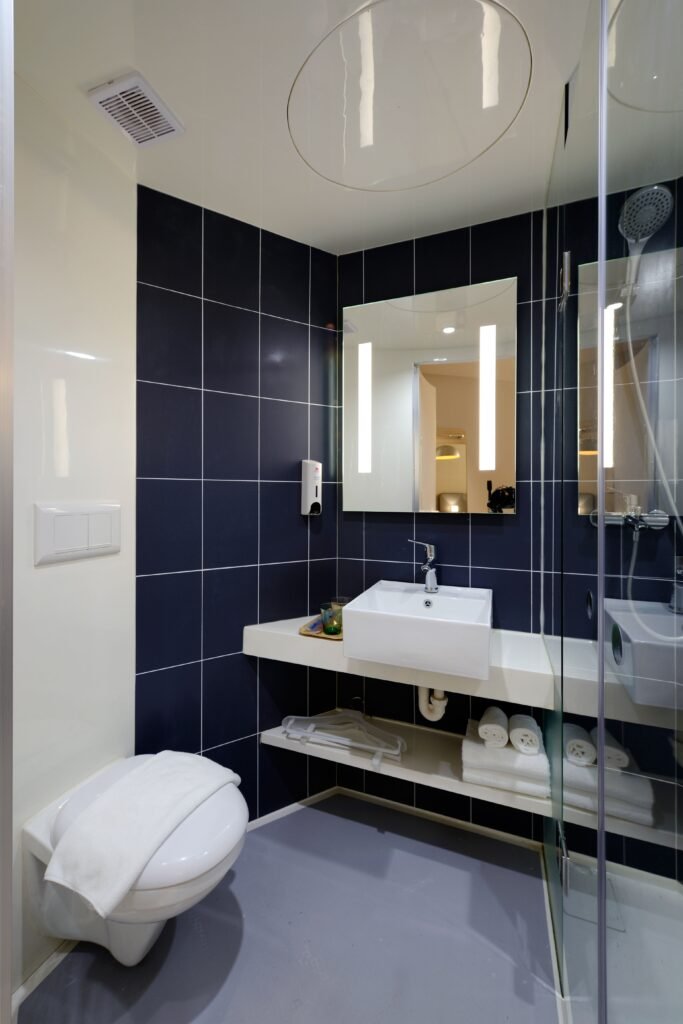
At its core, an aging in place remodel involves:
- Replacing high-sided tubs with low-threshold or curbless showers.
- Installing secure grab bars, non-slip flooring, and accessible fixtures.
- Improving lighting and doorway width for better access, especially for walkers or wheelchairs.
Most Americans spend $9,000–$12,000 on these upgrades, but costs can climb when you add features like custom tile, premium seating, or ADA-compliant fixtures. Surprisingly, despite the investment, many projects fall short—missing small but crucial safety features or cutting corners on local code compliance.
For many, it’s not simply about customization—it’s about ensuring longevity, resale appeal, and genuine day-to-day safety. See why seemingly simple choices can make or break your results in the next sections.
How to Plan & Execute an Aging in Place Bathroom Remodel: Step by Step
To get a successful remodel, focus on safety, long-term usability, and code compliance. Here’s a proven step-by-step process:
- Assess Specific Needs
Start with an honest evaluation. Document mobility limits, vision or hearing concerns, grab bar needs, and want-for-future scenarios (wheelchair use, home health visits, etc.). - Consult Local Codes and Seek Permits Early
Building code requirements for grab bar placement, doorway width, and electrical safety can differ by city or county. Call your local building department or work only with a licensed contractor experienced in ADA and aging in place upgrades. Permits usually run $250–$500 for shower upgrades. - Select the Right Shower
For most, this means a walk-in shower or curbless showers. Prefabricated models (installed) run $4,000–$7,000, while custom showers with tile, bench seating, and built-in bars can run $14,000–$20,000. If you want a walk-in tub-and-shower combo, expect $2,500–$10,000, plus $500–$2,000 for special features. Source - Install Grab Bars Where They Matter Most
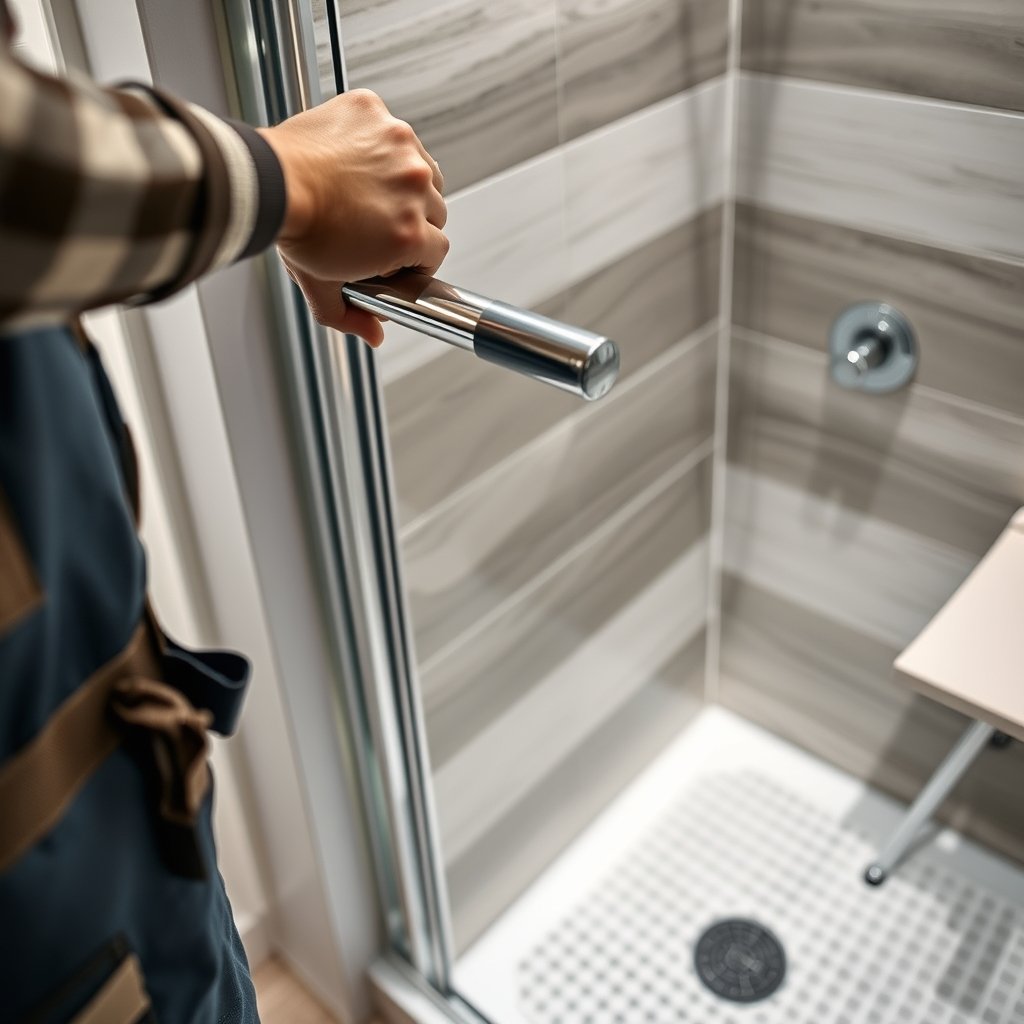
Safe grab bar installation by a pro usually costs $100–$500 per bar—and don’t forget code-required backing in walls. Get written documentation for warranty coverage and code sign-off. Source - Choose Non-Slip, Easy-Maintenance Flooring
Avoid glossy tile. Go for low-slip porcelain or textured vinyl. Continual surfaces offer fewer trip hazards. For carpet in non-wet areas, a lightweight carpet shampooer like the Hoover PowerDash Pet can help keep high-traffic bathroom entryways cleaner with minimal effort. - Make Doorways and Controls Accessible
If relying on a wheelchair or walker is a concern, widen doorways to at least 32″ clear. Install lever handles for faucets and doors; avoid round knobs, as they are difficult for arthritic hands. - Light it Smartly
Strong, glare-free LED lighting reduces missteps. Add night lights and motion-activated options for nighttime safety. - Create a Realistic Budget and Timeline
Allow for unexpected repairs (subfloor rot, plumbing rerouting), which can add 10–20% to costs.
Don’t forget less-visible upgrades like anti-scald mixing valves or temperature-limiting faucets for burn protection—often overlooked, but invaluable as sensitivity changes with age. For more on optimizing accessibility and value, see our ADU garage conversion cost guide covering step-by-step code and ROI strategies.
If your bathroom backs onto another living space, reducing noise transmission is smart for comfort and privacy—learn how with our DIY home soundproofing panels guide.
Advanced Analysis: Common Pitfalls, Real Cost Breakdowns, and Compliance Issues
Despite growing demand for aging in place bathroom remodels, several critical knowledge gaps remain, even in top competitor guides:
- Lack of precise regional cost data: Costs quoted are broad. Budget extra (10–20%) for labor and material surges in high-cost metro areas or remote regions due to contractor shortages or special-order fixtures.
- Safety incident reporting: No public breakdowns exist for injuries post-remodel, but complaints often arise when grab bars loosen or custom features are installed out of reach. Always insist on documented code installation and proper supports.
- Poor code compliance: DIYers frequently misjudge wall blocking, bar spacing, or slip-resistant ratings—voiding the benefit of paying extra for quality fixtures or accessible layouts.
- Incomplete warranties: If you (or your contractor) skip code requirements or fail to keep records, many grab bar and fixture manufacturers will refuse future claims for repairs or replacement.
- Technical bathroom remodel challenges: Retrofitting curbless showers in existing homes may demand rerouting drains, reframing joists, or raising adjacent finished floors. Widening doorways often means relocating switches, wiring, or even plumbing vents—each adding to cost and timeline.
| Shower Type / Feature | Nationwide Low | Nationwide Avg. | High-End / Custom |
|---|---|---|---|
| Prefabricated Walk-In Shower | $4,000 | $5,500–$7,000 | $10,000+ |
| Custom Tile, Seating, Grab Bars | $14,000 | $16,000 | $20,000+ |
| Walk-In Tub & Shower Combo (installed) | $2,500 | $6,500 | $10,000+ |
| Extra Safety Features (anti-scald valves, extra bars) | $500 | $1,000 | $2,000+ |
| Permit(s) for Shower | $250 | $400 | $500 |
| Professional Grab Bar Installation (per bar) | $100 | $300 | $500 |
Adapted from This Old House and Angi. Actual prices may vary considerably by city and available trades.
Top-ranking competitor articles often neglect:
- Real post-remodel challenges, from leaking curbless showers to awkwardly placed seating.
- Warranty exclusions tied to unpermitted or non-compliant work.
- You’ll rarely find a truly expert, unified checklist that spans stair lifts, shower access, and all critical grab bar placements. For DIYers, these gaps cause missed hazards or expensive re-dos later.
If you want input on maximizing efficiency in other home systems as you age, see our practical ventless washer dryer combo guide and proven cold climate heat pump strategies—useful if laundry or heating upgrades are needed at the same time as your bath remodel.
Conclusion
Remodeling for comfort, mobility, and safety is one of the best investments you can make, but a true aging in place bathroom remodel demands more than new fixtures—it requires respecting your future needs, following code, and budgeting for real-world costs. Insist on qualified help, don’t rush, and demand detailed documentation at every step.
Ready to start? Take the time to plan it right and get multiple quotes—your safety and comfort matter most. Download our upcoming full home modifications checklist, or contact a local aging in place specialist for a tailored assessment.
FAQs About Aging in Place Bathroom Remodels
How much does an aging in place bathroom remodel cost in 2024?
The cost to remodel a bathroom for aging in place typically falls between $9,000 and $20,000. Prefabricated walk-in showers start at $4,000 installed, while high-end custom projects can exceed $20,000. Costs vary widely based on location, fixture choice, and whether plumbing, electrical, or structural changes are needed. Always include permit and inspection fees in your budget.
What features are essential for an aging in place bathroom?
Key features include a walk-in or curbless shower, secure grab bars in and around the shower and toilet, slip-resistant flooring, lever handles, bright and even lighting, a comfort-height toilet, and a wide, unobstructed entry. Consider shower seats and anti-scald valves for safe, stress-free bathing.
Are permits and code compliance really necessary for bathroom safety upgrades?
Yes. Not only do local building codes regulate safe grab bar placements and minimum doorway clearances, but many warranties are voided if work is done without proper permits and inspections. Failing to comply also risks home insurance issues and can derail a future home sale.
Do bathroom remodels for seniors add to home value?
Yes, if done to current code and with quality materials. Aging in place features are increasingly seen as premium additions, especially walk-in showers and widened doorways. However, poorly done DIY upgrades or non-compliant work can lower value. For maximum ROI, consult an experienced pro and keep all documentation.
What’s the biggest mistake homeowners make when remodeling for aging in place?
Rushing the job or skipping steps. Homeowners often underestimate the structural changes needed for curbless showers or improperly anchor grab bars. Lack of a comprehensive checklist and failing to get a code inspection are common, costly mistakes.