

Table of Contents
Fluted Wall Panels Living Room transformations are trending for a reason: they deliver instant textural impact, hide uneven walls, and turn any living room into a design-forward space—without major demolition or sky-high costs. If you want a stylish upgrade that feels modern, architectural, and surprisingly achievable, Fluted Wall Panels Living Room ideas are one of the smartest places to start.
Key Takeaways
- Fluted wall panels for living rooms range from $2–$12 per sq ft for DIY materials and $7–$20 per sq ft installed, depending on material and complexity. Wood options are pricier.
- Biggest DIY pitfalls: learning curve, wall prep needs, adhesion problems, and risk of poor finish if rushed or underprepared. Expert labor can reduce errors.
- Creative integration, correct tools, and realistic planning are essential for seamless, high-impact accent walls—especially in small or awkward spaces.
What Are Fluted Wall Panels for Living Rooms (and Why Choose Them)?
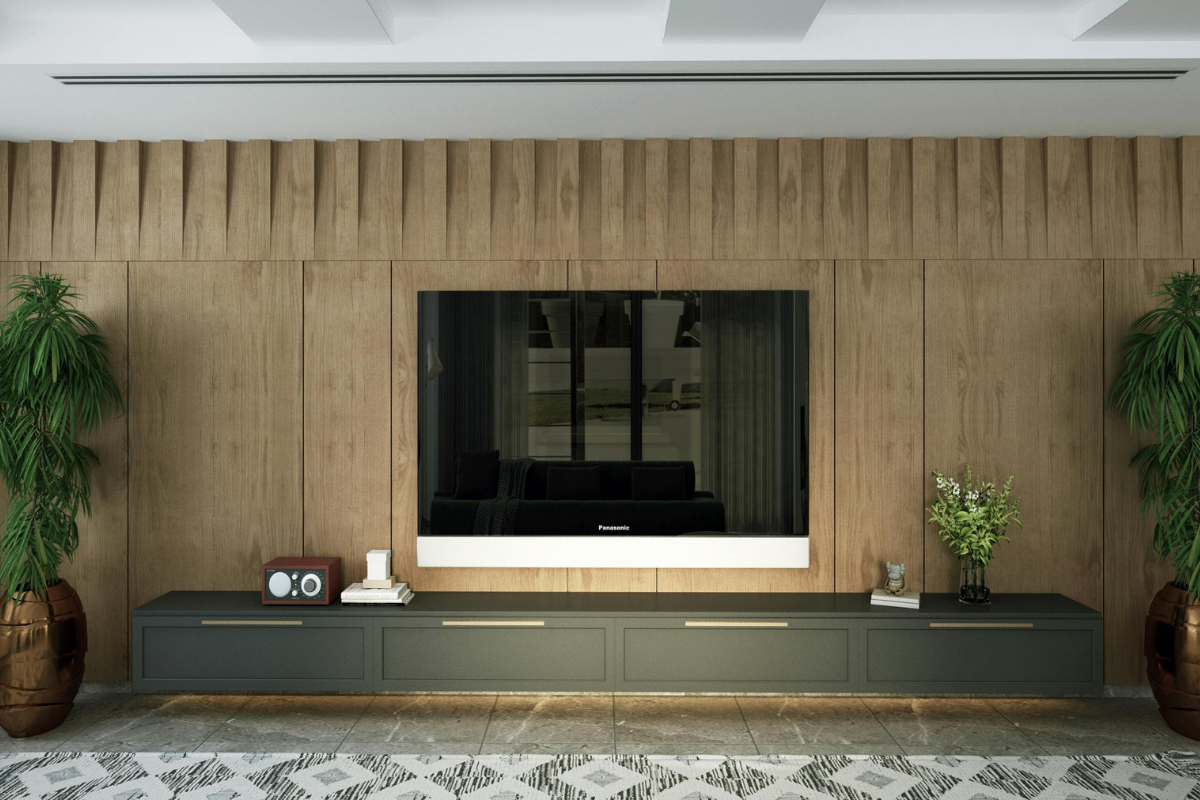
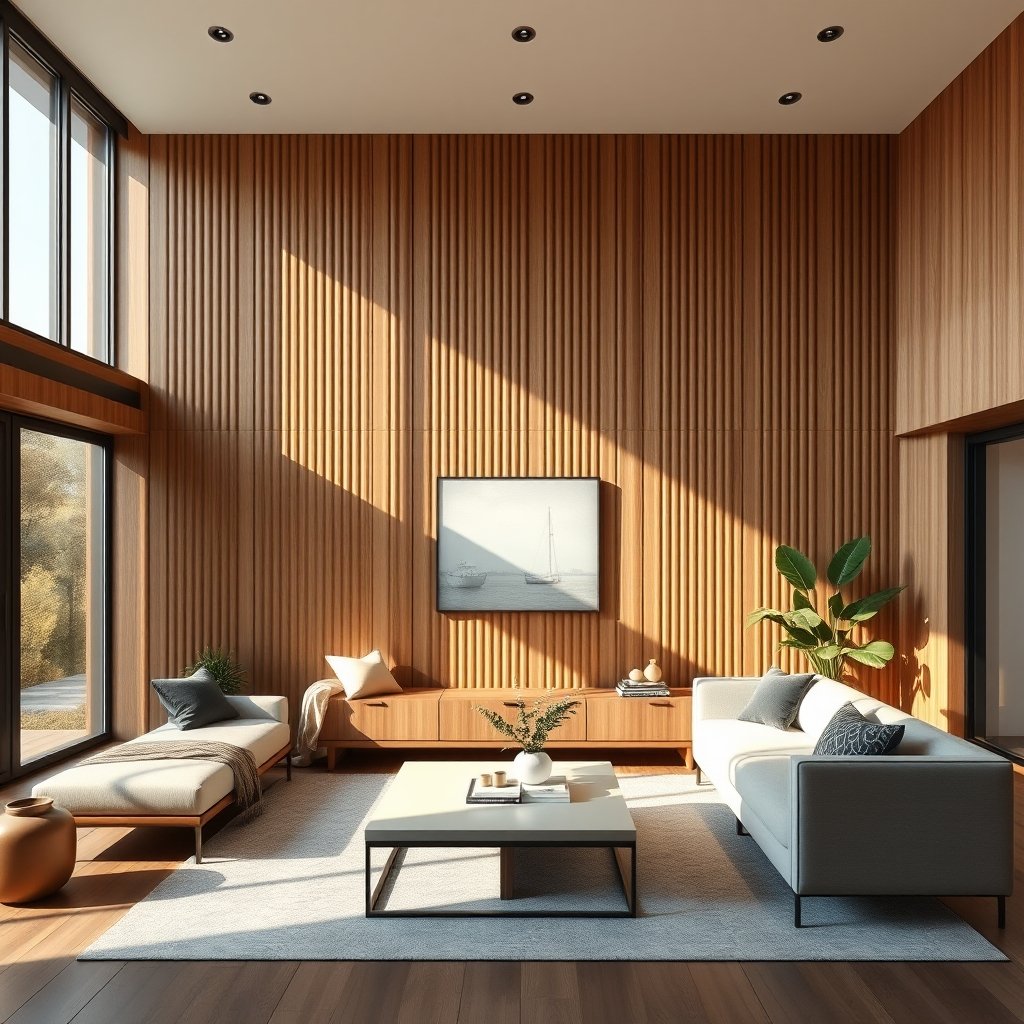
Fluted Wall Panels Living Room designs use three-dimensional wall coverings with vertical or ribbed grooves to create rhythm, texture, and shadow across a feature wall. In modern interiors, Fluted Wall Panels Living Room styles have exploded in popularity because they instantly make a plain room feel more elevated and intentional.
One major reason people choose Fluted Wall Panels Living Room upgrades is the visual effect. Vertical grooves naturally draw the eye upward, making walls appear taller and the room feel more spacious. They also help hide minor wall imperfections and can even improve acoustics depending on the material.
Materials vary. The most common options for Fluted Wall Panels Living Room projects include medium-density fiberboard (MDF), wood, wood-plastic composite (WPC), peel-and-stick vinyl, and polyurethane. MDF and PVC are especially popular for DIY installs because they are easier to handle and generally more affordable. Real wood fluted panels offer a more premium finish but often require more careful installation and maintenance.
Why choose Fluted Wall Panels Living Room ideas for your home? They offer:
- Instant architectural detail with minimal construction
- Easy-to-clean, durable finishes when using quality materials
- Improved acoustics compared to flat drywall or paint
- Customizable sizes, stains, and installation methods for endless design flexibility
fluted wall panels living room – Illustration 1
Step-by-Step Guide: Installing Fluted Wall Panels in Your Living Room
Installing Fluted Wall Panels Living Room style is a realistic DIY project if you plan carefully and are ready to invest in good prep and precision. This process can give your living room a designer feel without a full renovation.
Step 1: Measure and Prepare Your Wall
- Decide if your Fluted Wall Panels Living Room project will cover the full wall, a TV backdrop, or just a partial accent area. Measure height and width, then multiply for total square footage. Add 15% for waste and wraparound cuts.
- Move furniture, remove wall décor, and turn off power to nearby outlets for safety. Walls should be smooth, clean, and dry before installing Fluted Wall Panels Living Room materials. Patch holes, remove nails, and skim-coat if needed. Skipping prep is one of the fastest ways to ruin the final finish.
Step 2: Choose the Right Materials
- MDF fluted panels run $3–$12 per sq ft for materials, while higher-end wood is $20–$50 per sq ft (source).
- Peel-and-stick vinyl or polyurethane ($3–$8 per sq ft) is light but can fail on textured walls. Stick-on panels typically start at $27 each and cover ~2 square feet.
- Consider acoustic fluted panels for added sound absorption if your living room doubles as a media space or has echoes (source).
Step 3: Assemble Your Tools & Supplies
- Adhesive (construction glue or panel adhesive for permanent installs; some kits come with proprietary adhesive)
- Screws/clips and a drill for heavy panels or WPC/wood (anchors if not into studs)
- Level, measuring tape, ruler, and pencil
- Batons/furring strips for uneven walls (optional)
- Finishing materials: caulk or edge trim for ends, paint or stain for touch-ups
Step 4: Install the Panels
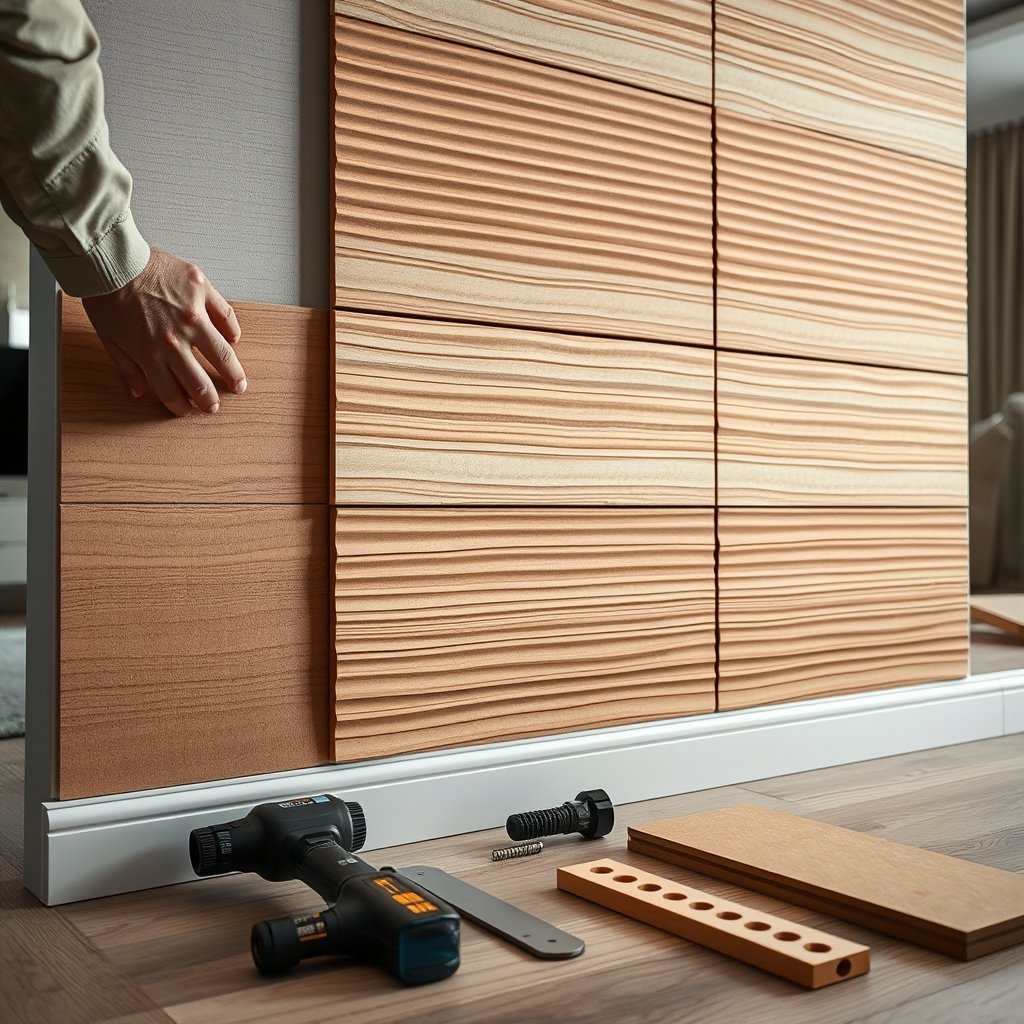
- Start at the most visible corner or edge of your feature area. Mark vertical lines to maintain panel alignment.
- Apply adhesive in a wavy “S” pattern and press the first panel firmly into place. Use a level on each panel before moving to the next.
- Fit each panel snugly with interlocking grooves if your system uses them. For butt-jointed panels, use painter’s tape to hold seams tight while the adhesive cures.
- Screw down any panels that feel heavy or could be bumped in high-traffic areas. If cutting for outlets or corners, use a fine-tooth saw for MDF or a jigsaw for PVC/vinyl.
- Fill holes and finish edges with caulk, then paint or stain as required.
Step 5: Clean-Up & Final Styling
Once your Fluted Wall Panels Living Room install is complete, remove painter’s tape after the adhesive sets. Wipe down the panels with a damp microfiber cloth and style the wall with lighting, furniture, or décor that helps emphasize the grooves and shadow lines.
The right styling can take a Fluted Wall Panels Living Room feature wall from “nice” to “damn, that actually looks expensive.”
Creative Ideas for Fluted Panels in Living Rooms
- Partial accent wall: Frame a media console or behind a sofa for a subtle yet sophisticated feature.
- Vertical divider: Use fluted panels floor-to-ceiling as a space divider in open-plan living areas.
- Acoustic upgrade: Install behind entertainment centers with dense synthetic panels for both looks and sound dampening.
Want even more design flexibility? Try an AI room design app to virtually test panel colors or placement before committing.
Need help prepping your living room surfaces before a new install? A lightweight carpet cleaner is ideal for post-renovation dust and debris.
Advanced Analysis and Common Pitfalls with Fluted Wall Panels
A Fluted Wall Panels Living Room upgrade can look incredible, but there are a few real challenges that catch both DIYers and contractors off guard. Before you start, it helps to know what usually goes wrong and how to avoid it.
Choosing a Fluted Wall Panels Living Room design gives you a lot of visual payoff, but success depends heavily on prep, precision, and patience.
Common Pitfalls
- Wall prep underestimated: Most DIY errors stem from skipping repairs or cleaning. Surfaces must be flat, dust-free, and dry, or panels will peel or bubble within weeks. Expect to spend $0.50–$2 per sq ft extra for wall prep if conditions are poor (source).
- Adhesive and seam failures: Fluted panels, especially stick-on or peel-and-stick, can fail without even adhesive distribution or on textured walls. Temperature swings and humidity also affect bonds. Consider a permanent construction adhesive for best results on drywall.
- Corners, outlets, and high ceilings: Cutting clean mitered corners or fitting panels around outlets takes patience and good tools. For installations above 8 feet, professional help is advised to avoid gaps or misaligned grooves.
- Waste/loss: Cutting and trimming (especially with angled or vertical grains) generates waste. Always order more paneling than you think you’ll need—most pros advise 15% excess for mistakes, offcuts, or complicated layouts.
- No warranty for DIY missteps: If attempting a challenging full-wall DIY install, be aware you’ll likely void any manufacturer warranty by making errors.
- Material differences: MDF is easier on the budget and simpler to handle, but not as durable as premium or real wood. Real wood brings increased maintenance risk, especially in high-traffic spaces.
Sound absorption might not be as effective in open spaces. For true acoustic dampening, consider additional soundproofing panels elsewhere in the home.
Cost Comparison: DIY vs Professional Installation
| Option | Material Cost (per sq ft) | Labor Cost (per sq ft) | Total Project Range | Notes |
|---|---|---|---|---|
| DIY (MDF/Vinyl) | $2–$12 | $0 | $500–$2,000 | Cheapest, risk of poor finish |
| Professional (MDF/WPC) | $3–$12 | $7.78–$11.55 | $1,200–$6,000 | Optimal, warranty, minimal headaches |
| Wood (Pro) | $20–$50 | $2–$8+ | $2,800+ avg | Premium look, longevity, costly |
| Acoustic Fluted | $12–$25 | $2–$5 | $700–$3,500 | For sound control, fewer colors |
Fluted Panels vs Shiplap for Living Rooms
There is no direct comparison data, but here is a practical summary:
- Fluted: Higher textural/modern impact, more forgiving of wall issues with thicker materials, better sound dampening (source).
- Shiplap: Classic/linear. Generally cheaper but may accentuate wall flaws. Both require wall prep. No clear winner in satisfaction—select based on style goals and maintenance appetite.
Planning for Small or Awkwardly Shaped Living Rooms
You do not need a giant luxury home to make Fluted Wall Panels Living Room styling work.
Here are a few smart ways to adapt the look:
- Use peel-and-stick panels for easier placement and removal
- Cover only one section of wall for a lighter visual effect
- Run vertical grooves upward to exaggerate room height
- Use panels to divide open living and dining areas without demolition
Get more cost-savvy home upgrade tips in our ADU conversion cost guide.
Conclusion: Is Fluted Wall Paneling Right for Your Living Room?
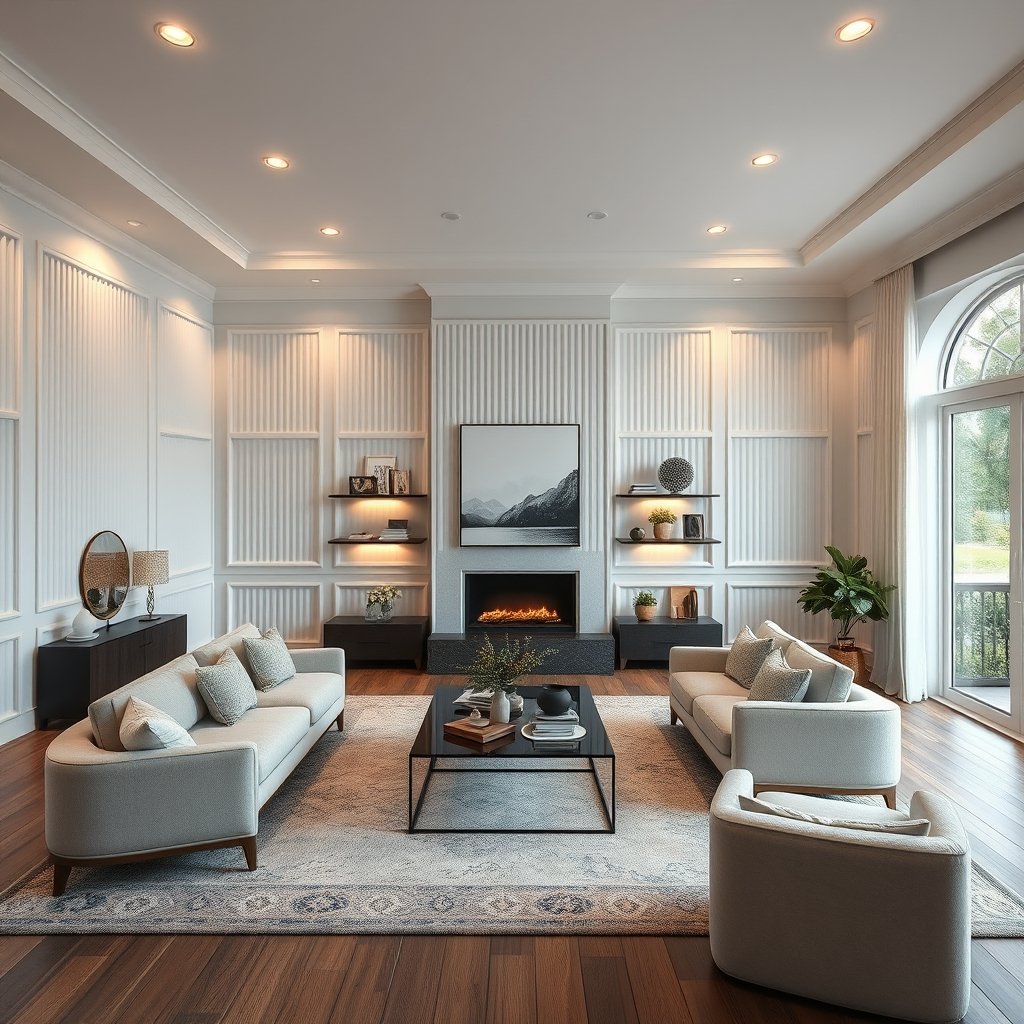
Fluted wall panels can transform any living room into a polished, high-impact space—especially if you pick the right materials for your budget and are realistic about what you can DIY versus what needs professional help. Remember that a clean wall, accurate measurements, and patience are the foundations of a good finish. The initial cost is higher than paint or traditional shiplap but pays you back in style and durability. If you want instant architecture without major construction, fluted wall panels living room projects are one of the most actionable—and dramatic—upgrades you can make.
Ready to modernize your living room? Start planning your panel project and share your results with friends or neighbors for real-world feedback. If you need to maximize efficiency elsewhere in your home, check our guide to ventless washer dryer combos for easy laundry updates.
Frequently Asked Questions
What tools are typically required to install fluted wall panels in a living room?
You’ll need a measuring tape, level, saw (for MDF or wood), adhesive, drill for screws or clips, furring strips for uneven walls, and finishing materials like caulk or paint. Kits may include panels and adhesive, but most tools are homeowner-supplied.
How much does it cost to install fluted wall panels in a living room?
DIY materials average $3–$12 per sq ft (MDF or vinyl), with total projects between $500–$2,000. Professional installs can reach $7.78–$20 per sq ft, especially for wood panels, with full wall projects ranging from $1,200–$6,000 depending on scale and complexity.
What are the biggest challenges when installing fluted panels yourself?
Poor wall prep, uneven adhesive, and lack of experience with corners or outlets can result in seams, panel failures, and unfinished looks. Always over-order to account for errors and practice dry-fitting before committing permanently.
Do fluted wall panels work well in small living rooms?
Yes. Using vertical grooves can visually raise the ceiling and create focal points without crowding the space. Stick to one wall for an accent or use panels as a divider between zones in open layouts. Peel-and-stick makes for an easy, removable option for renters.
Are fluted wall panels better than shiplap?
Fluted panels give more dramatic, modern texture and sound dampening, while shiplap is classic and generally cheaper. The best choice depends on your design goal, wall condition, and maintenance preference as both can look fantastic with proper installation.
—