

Table of Contents
Cold climate heat pump installation is reshaping how homeowners tackle winter heating, especially as extreme cold events become more frequent and efficiency standards tighten. If you’re looking for reliable heating without fossil fuels in frigid regions, understanding recent market trends, performance realities, and actionable installation tips is crucial. This guide distills the latest research and insider techniques—so you can make informed decisions and maximize system performance from day one.
Key Takeaways
- New cold climate heat pump models deliver efficient heating even at subzero temperatures, transforming market adoption in northern regions.
- Installation precision and understanding performance limits are essential to avoiding common pitfalls and maximizing comfort in extreme weather.
- Government incentives, manufacturer investments, and ongoing technological improvements mean 2026 is a pivotal year to consider a cold climate heat pump installation.
What is cold-climate heat pump installation?
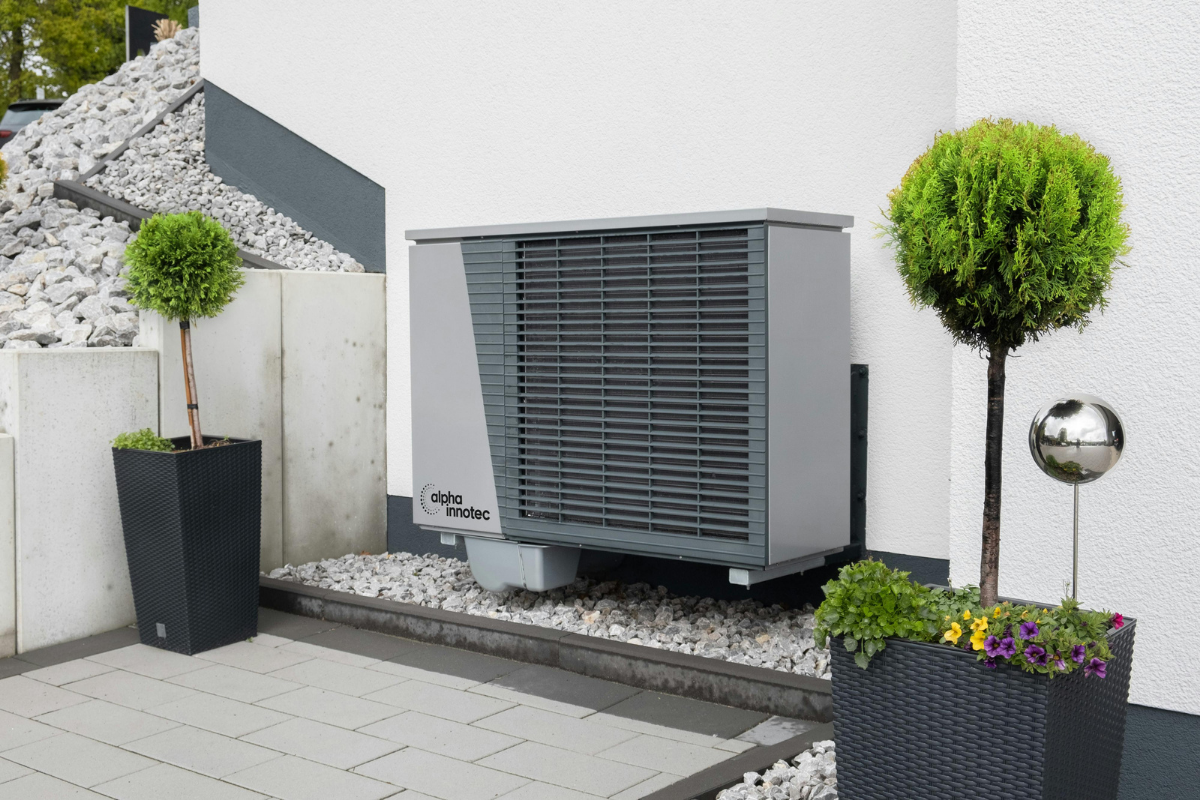
A cold climate heat pump installation involves setting up a specially engineered heat pump system that can operate efficiently in regions where winter temperatures routinely fall below freezing. Unlike standard heat pumps, cold climate models maintain strong performance at 0°F and even lower thanks to advanced inverter compressors and supplemental design features.
Recent market analysis indicates a 9.8% annual growth rate for cold climate heat pump adoption from 2025 to 2034, driven by robust technology improvements and increasing government support. These systems are positioned to overtake traditional AC installs in several northern U.S. regions in 2026, particularly the Northeast, Pacific Northwest, and Midwest.
However, adoption in the coldest regions remains behind, with only 7% of new homes in the East and West North Central U.S. using heat pumps as their primary heating. Overcoming installer skepticism and historical doubts about below-zero performance is essential—and relies on proper system selection, installation, and operation.
Step-by-Step Guide to Installation
1. Assess Home and Climate Suitability
Start with a full evaluation of your home’s insulation, airtightness, and ductwork. Cold climate heat pumps perform best when heat loss is minimized. Use Manual J load calculations to size the unit correctly—oversized or undersized systems waste energy and can cause comfort issues.
2. Select the Right Cold Climate Heat Pump
Choose a model rated for 100% heating capacity at 0°F or lower. Manufacturers like Mitsubishi, Daikin, Lennox, and Bosch lead the 2026 class, with most models clearly indicating “cold climate” performance. Compare COP, HSPF, and minimum operating temperature—don’t just focus on brand.
3. Plan the Installation Layout
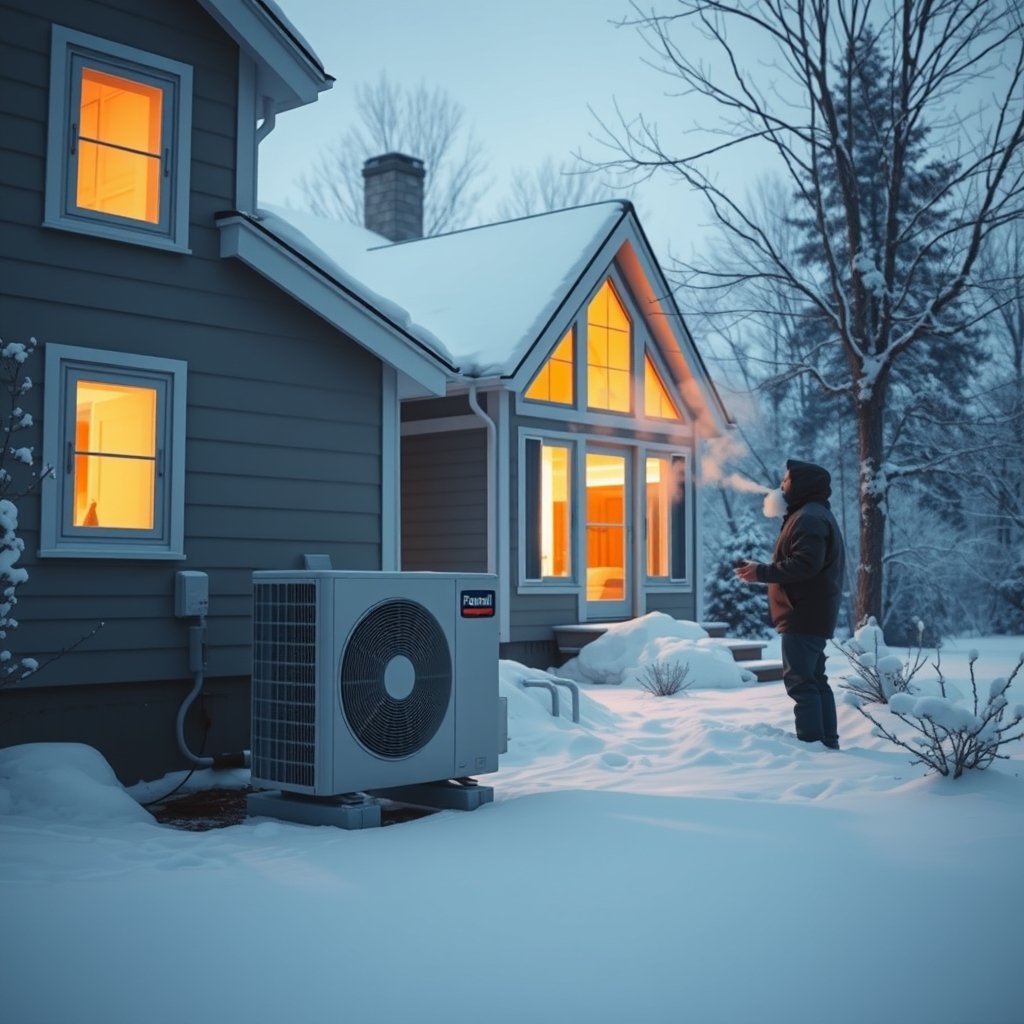
Outdoor units should be installed above snow lines on sturdy brackets. Leave clearance for snow removal and airflow. Proper refrigerant line length and drain routing prevent icing or system faults.
4. Integrate Controls and Backup
Set up smart or programmable thermostats compatible with your heat pump. In very cold regions, plan for auxiliary electric resistance backup—but prioritize dual-fuel switchover only below the heat pump’s design threshold, not by default.
5. Ensure Ductwork or Distribution Compatibility
Check that your ducts are sealed, insulated, and sized for lower supply air temperatures typical with heat pumps. Retrofitting an old forced air system? Inspect for leaks and consider ductless mini-splits for problem areas.
6. Claim Incentives and Rebates
Leverage local, state, or federal rebates and tax credits. Programs like the US Department of Energy’s 2024 incentives or the UK’s Boiler Upgrade Scheme can dramatically reduce out-of-pocket costs. Make sure your install meets all eligibility requirements, and file your paperwork promptly. For more on cost and incentives, see Heat Pump Cost Breakdown and HVAC Tax Credits Guide.
7. Schedule Performance Verification
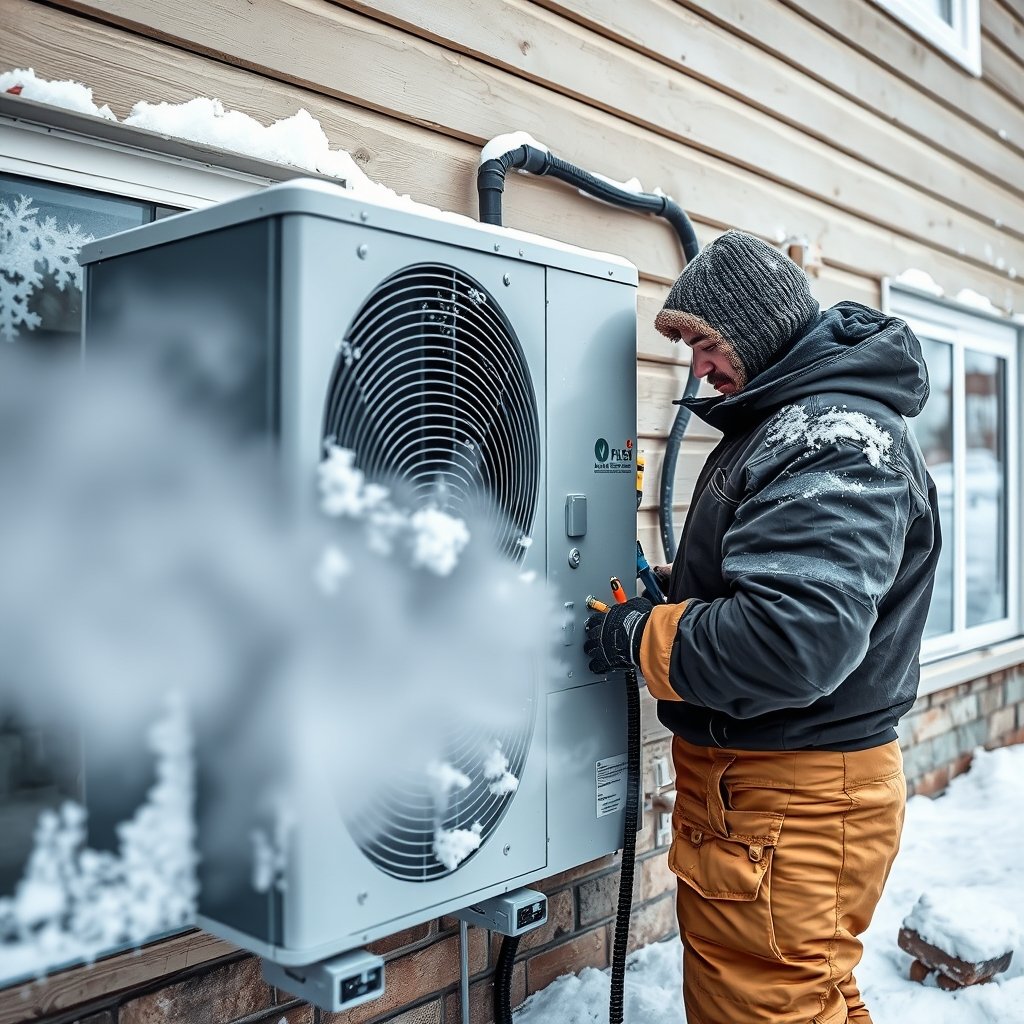
Routine post-install checks—such as commissioning reports and temperature logging—ensure your system delivers the expected comfort even in the coldest weather. Many utility rebate programs now require technical verification for final payout.
8. User Education
Teach homeowners how to optimize system settings, monitor energy usage, and identify warning signs that might indicate problems, like ice buildup or unusual noise. Point them to resources like Troubleshoot Heat Pump Freezing for self-help troubleshooting.
Advanced Analysis and Common Pitfalls
Common Pitfalls in Cold Climate Heat Pump Installation
- Underestimating Heat Loss: Homes with poor insulation and air leaks overwhelm even high-performance heat pumps, leading to cold spots and higher electric bills.
- Improper Sizing: Oversizing causes short cycling, while undersizing leaves the home chilly on the coldest days.
- Installer Inexperience: HVAC contractors unfamiliar with cold-climate models may misstep on refrigerant charge or drain line design, increasing risk of winter malfunction.
- Missed Incentives: Not all installation methods or models qualify for rebates; missing paperwork or eligibility details can forfeit significant financial support.
- Ignoring Manufacturer Limits: Installing a unit not rated for your region’s coldest temperatures results in unreliable heat and more backup heater run-time.
Performance and Cost Comparison Table
| Feature | 2026 Cold Climate Heat Pump | Natural Gas Furnace |
|---|---|---|
| Heating at 0°F or Colder | Maintains 100% capacity with proper sizing/model | Full capacity (not climate-dependent) |
| Primary Energy Source | Electricity (can pair with renewables) | Natural Gas |
| Greenhouse Gas Emissions | 20%-80% less (with clean grid) | High |
| Efficiency at -5°F | High with top models; some drop-off for lesser units | Stable |
| Lifespan | 10-15 years average | 15-20 years |
| Maintenance | Filter changes, coil cleaning—some require more specialized service | Annual checks, simpler for most techs |
| Incentives Policy | Often strong (rebates, tax credits) | Declining |
| Cost (2026 typical; region varies) | Higher upfront, potentially offset by credits | Lower upfront, higher running/maintenance |
Addressing Skepticism with Real Data
- Installer doubts persist around performance in extreme cold, yet DOE field validation and UK real-world data report 9 in 10 users are warm—even during severe events.
- Most performance failures result not from equipment limits but from poor sizing, lack of backup planning, or skipped commissioning.
- Pay special attention to your specific climate zone, house leakiness, and model specification—mistakes here are costly and frustrating.
To learn more about model selection and long-term comfort, review Heat Pump vs. Gas Furnace: Pros and Cons and Efficient HVAC for Cold Climates.
Conclusion
Cold climate heat pump installation is no longer a risky bet but an increasingly proven strategy for achieving warm, comfortable homes—without fossil fuel dependence—even during subzero winters. By focusing on correct sizing, experienced installers, and available rebates, homeowners can benefit from modern inverter technology and enjoy lower emissions and competitive lifecycle costs. As the technology matures and market growth accelerates, there has never been a better time to consider a cold climate heat pump installation for your next heating system upgrade. Explore our Best Cold Climate Heat Pumps of 2026 to find top models, or contact a certified HVAC pro for a free quote.
FAQ
Can a cold climate heat pump work below 0°F?
Yes, the latest 2026 models are specifically engineered for full heating capacity at 0°F and have been field-validated to perform reliably even in colder snaps. However, performance does drop below these thresholds, so proper sizing and, if needed, backup planning are essential.
How long does a typical cold climate heat pump installation take?
Most residential installs take 1-3 days, including system setup, duct adjustments, and commissioning. Weather, home complexity, and installer backlog may influence the timeline.
Are cold-climate heat pump installations eligible for tax credits or rebates?
Many installations qualify for federal, state, and utility rebates. For instance, the US Department of Energy announced new incentives for 2024-2026, and regions like the UK have active rebate programs. Check your region’s requirements and eligibility before starting. See our HVAC Tax Credits Guide for full details.
How does comfort with a heat pump compare to a gas furnace?
Modern cold climate heat pumps are designed to deliver steady warmth and low noise. However, some users may notice cooler supply air temperatures, so ensuring ducts are sized and sealed is important. Real-world reports show around 86% user satisfaction in the coldest months.
What happens during a power outage?
Heat pumps need electricity to run. In outage-prone regions, combining your system with a backup battery, generator, or solar PV ensures uninterrupted heating. Always discuss backup options with your installer.